Space school · free
Space,
explained.
How we get up there, why a satellite does not fall, what it takes to walk on the Moon and come back, and what comes next. In three levels, with real footage and games with real physics.
How do you want to learn?
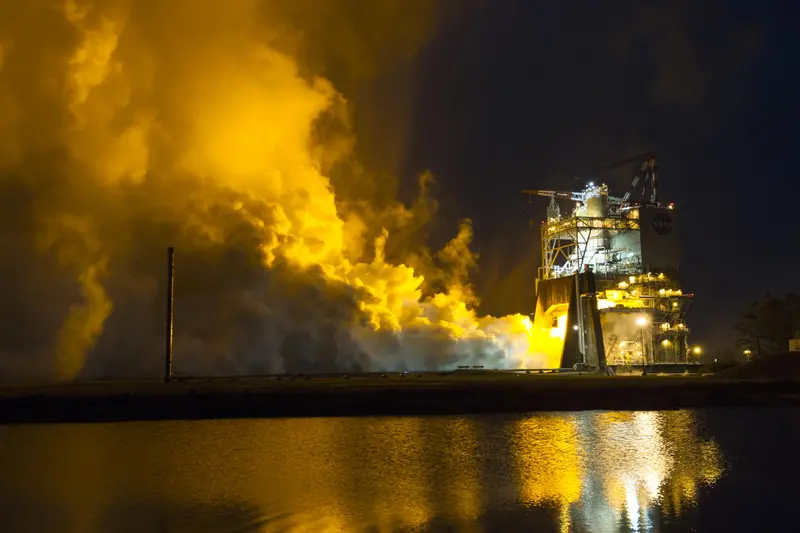
The path: from the ground to the Moon
Ten topics, in order, explained from scratch. Looking for something else? The kids and expert levels are at the top.
 01
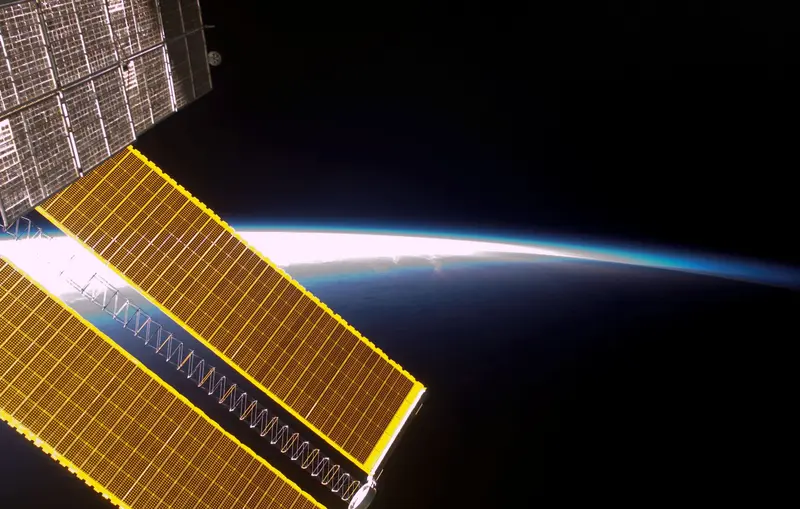
What Is Space? Where It Begins and What It Is Really Like
Where the air ends, what lies beyond it, and how unimaginably far away everything is.
9 min read
 02
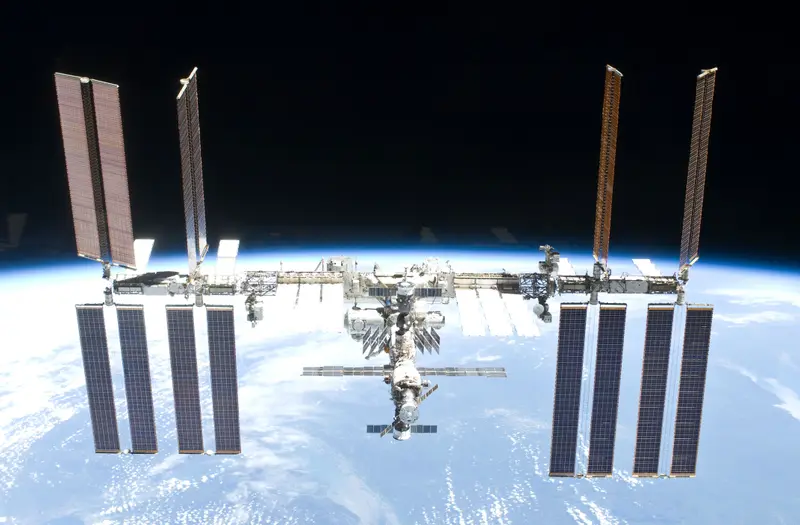
Gravity and Orbits Explained: Falling Without Ever Hitting the Ground
Why things fall, and how a satellite keeps falling without ever touching the ground.
9 min read
 03
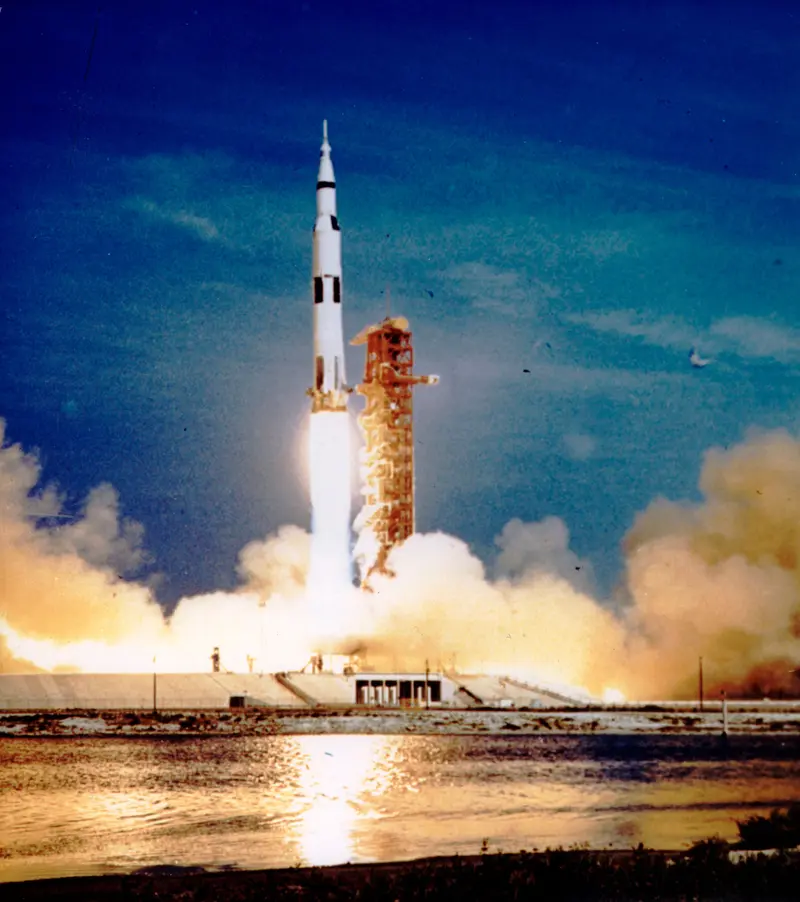
How Does a Rocket Work? Action, Reaction and a Lot of Propellant
Why a rocket can push with nothing to push against, and why it is almost all fuel.
9 min read
 04
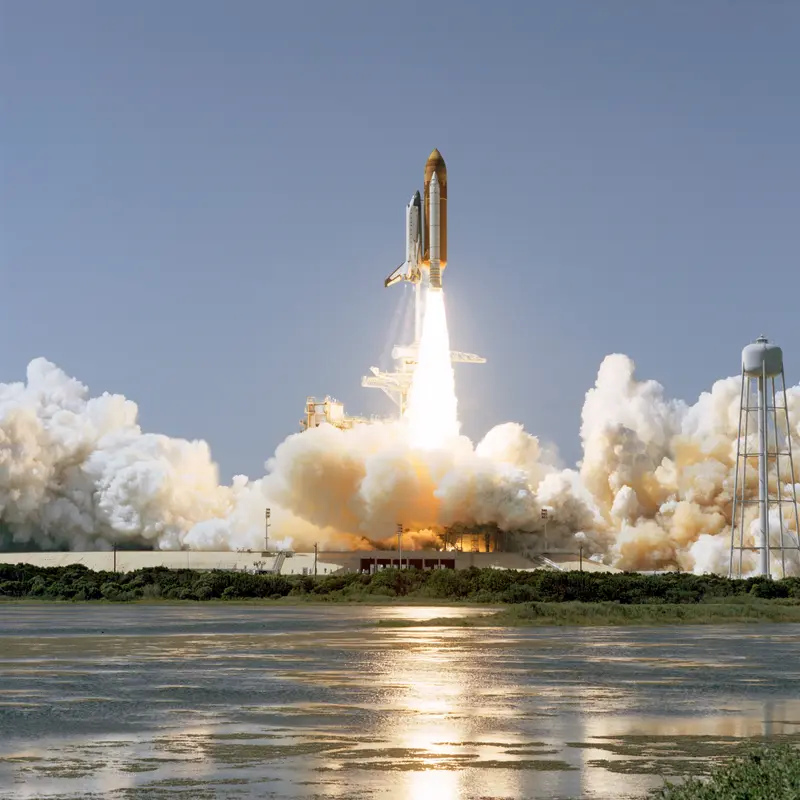
How Do Rockets Get Into Orbit and Back? Speed, Reentry and Reusable Rockets
Going up is the easy part; the hard part is going sideways at 8 km/s. And then you have to come back without burning up.
8 min read
- 05
How Do Astronauts Survive in Space? Air, Water, Food and the Body in Weightlessness
A sealed house circling the Earth: how you breathe, drink, eat and keep your body healthy.
9 min read
 06
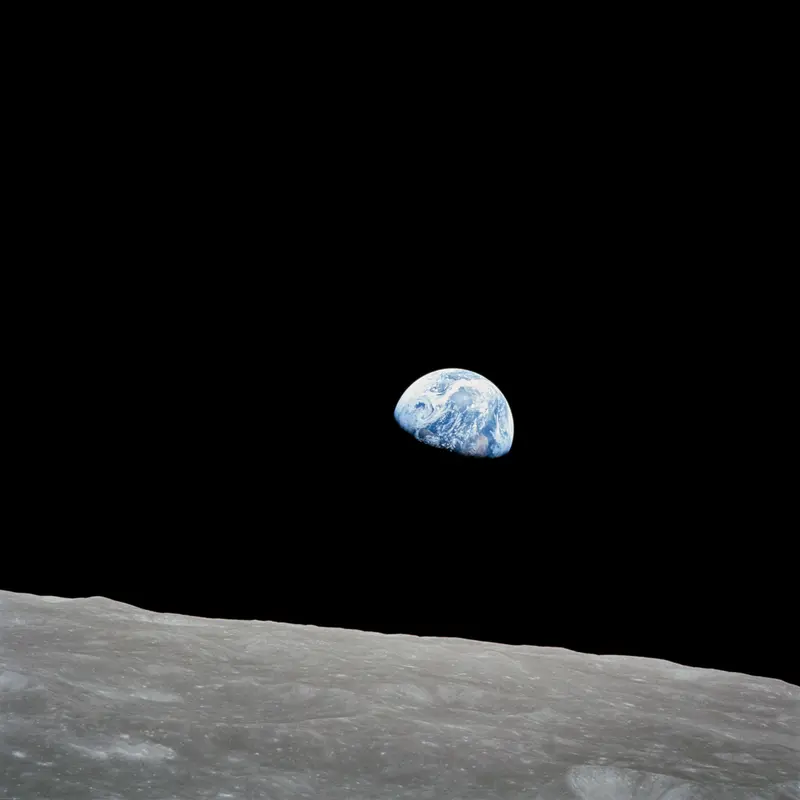
How Do We Get to the Moon? Getting There, Landing and Coming Home
Three days of travel aiming at a moving target, a landing with no parachute and a return at 11 km/s.
9 min read
 07
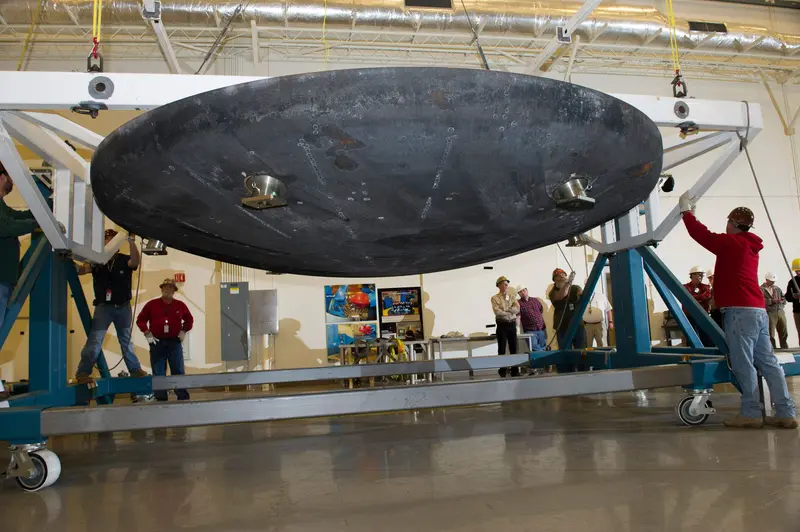
What Are Spacecraft Made Of? Materials That Are Light, Tough and Proof Against Fire and Vacuum
Every kilo costs a fortune, the heat swings from oven to freezer and the vacuum does strange things: this is how materials are chosen.
9 min read
 08
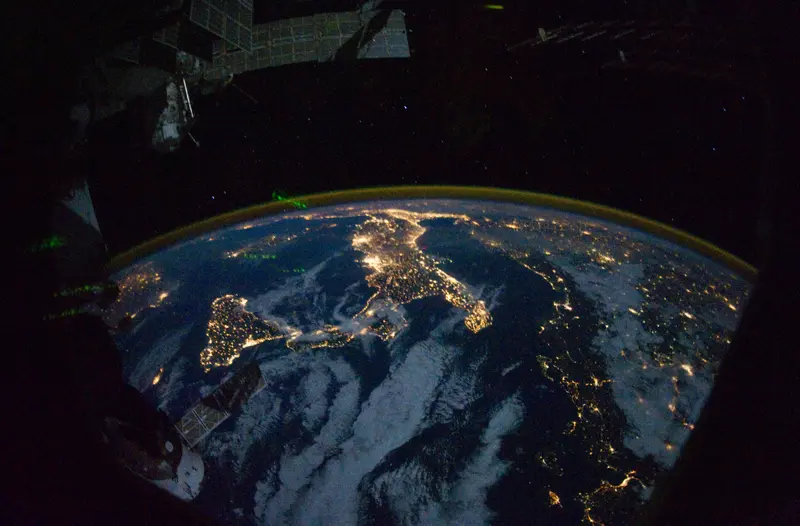
What Is Space Used For? Satellites, GPS, Weather Forecasts and Science
Without satellites there would be no GPS, no reliable weather forecast and no calls to the other side of the world. This is how they work.
8 min read
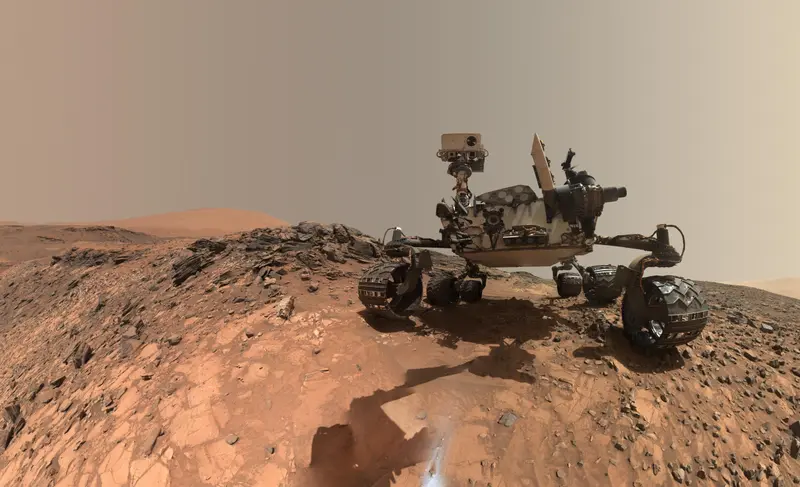 09
The Future of Space Exploration: Moon Bases, Missions to Mars and Asteroid Mining
Living off what you find up there: ice on the Moon, fuel on Mars, metals in the asteroids.
9 min read
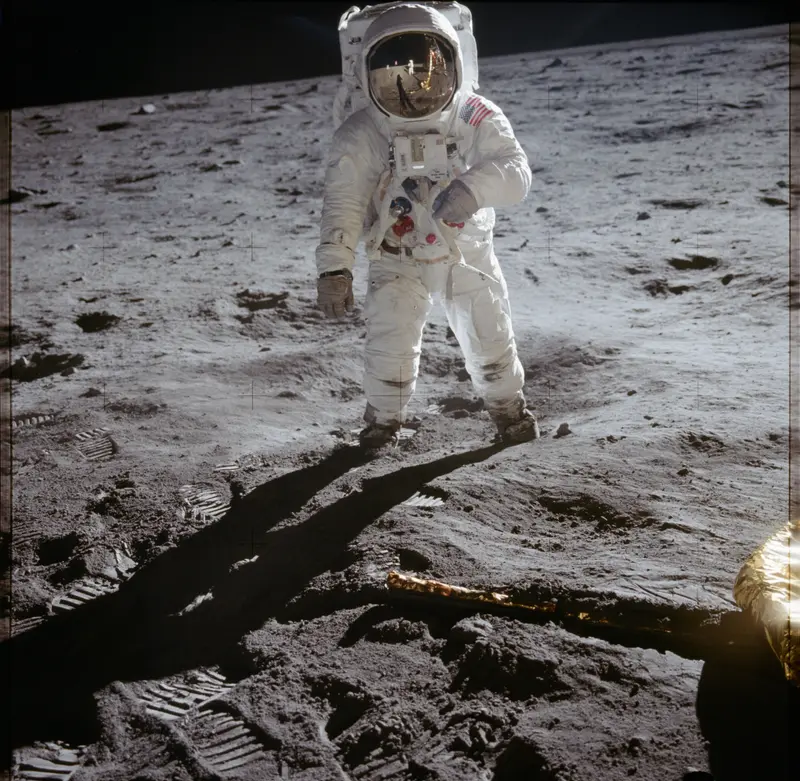 10
A Brief History of Space Exploration: From Dreams to Today
From gunpowder rockets to people living in orbit: the whole story on one page.
6 min read
Epic moments
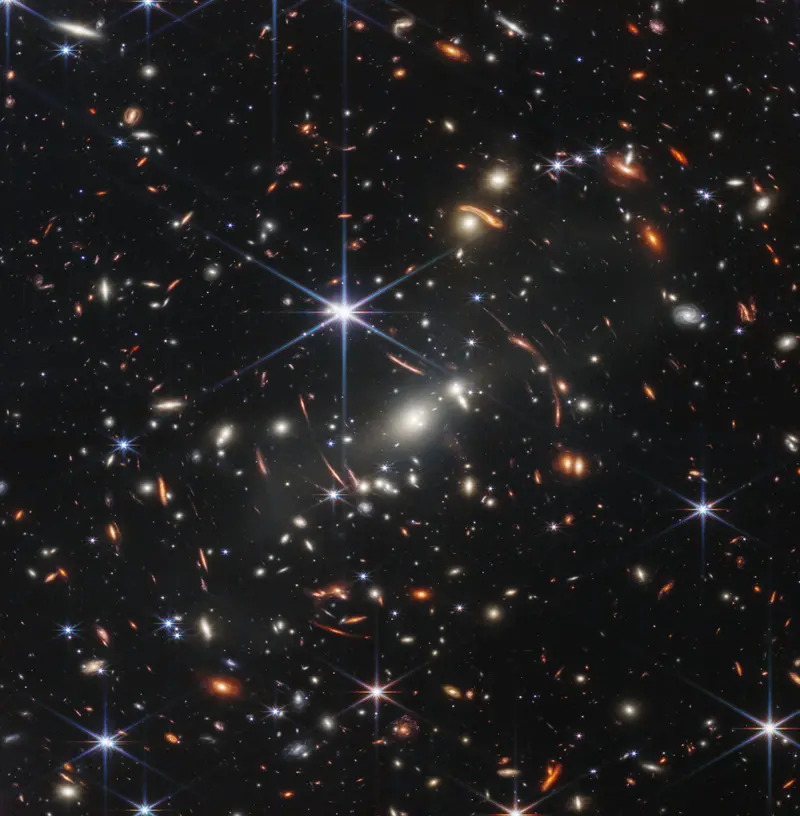
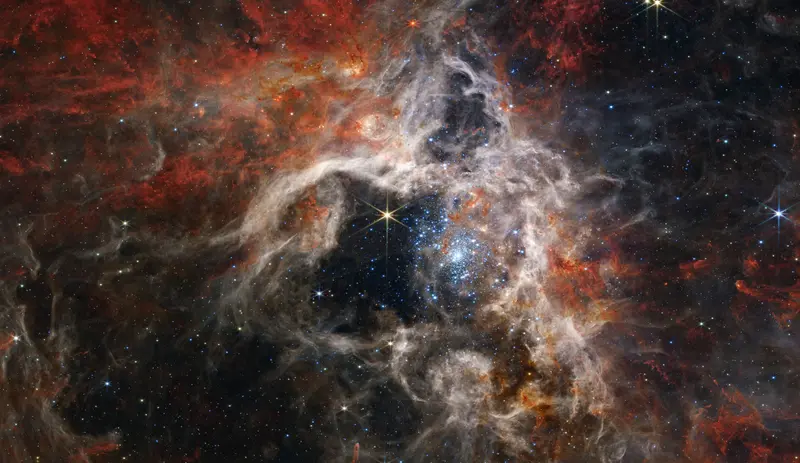
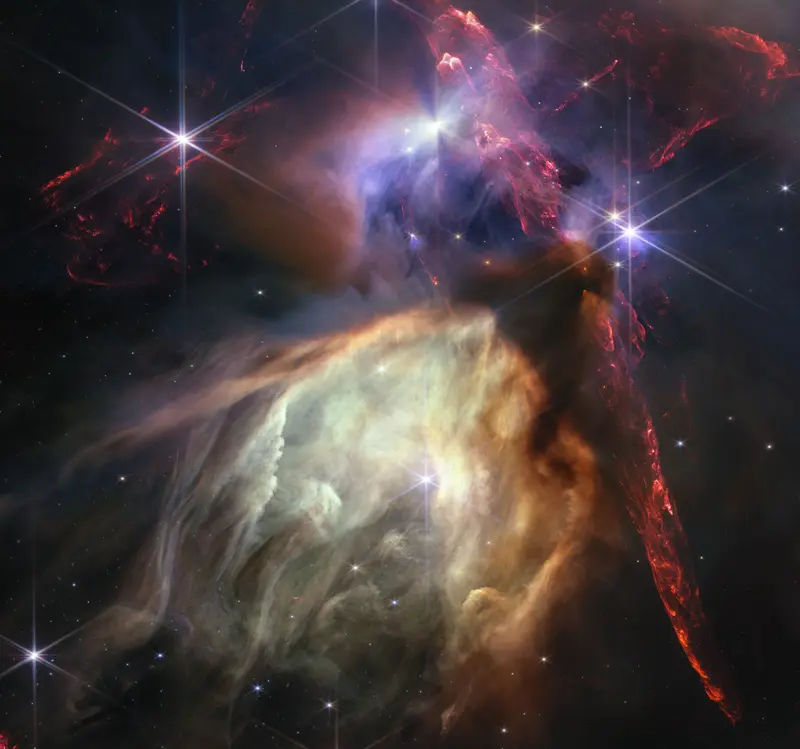
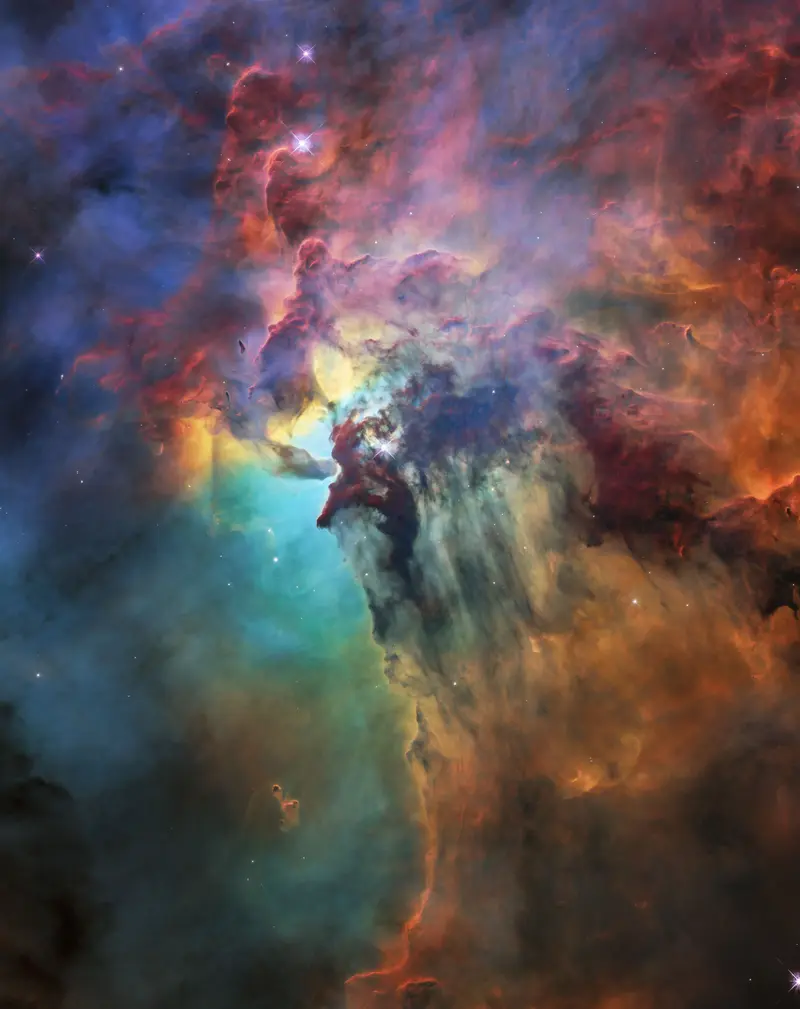
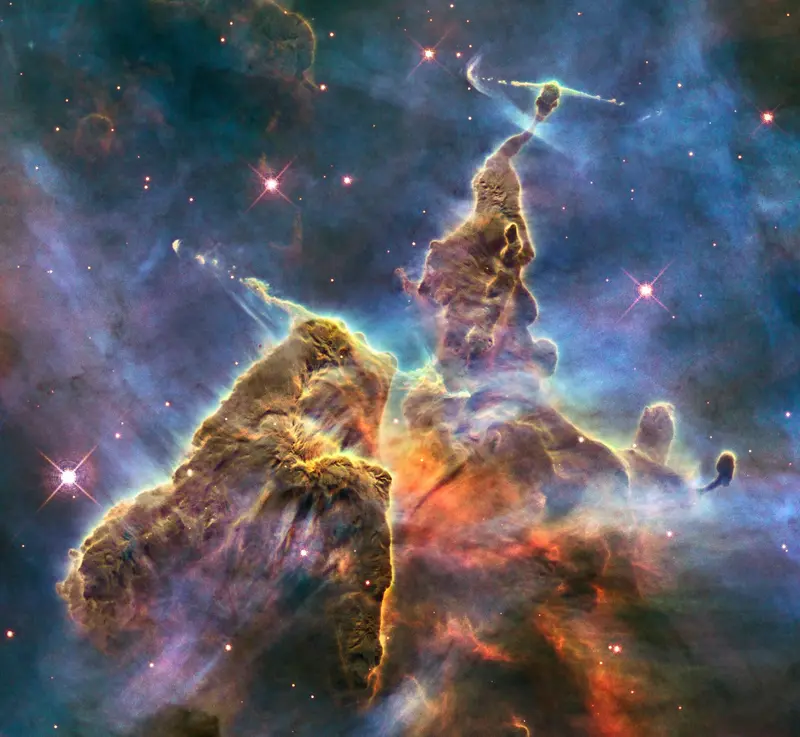
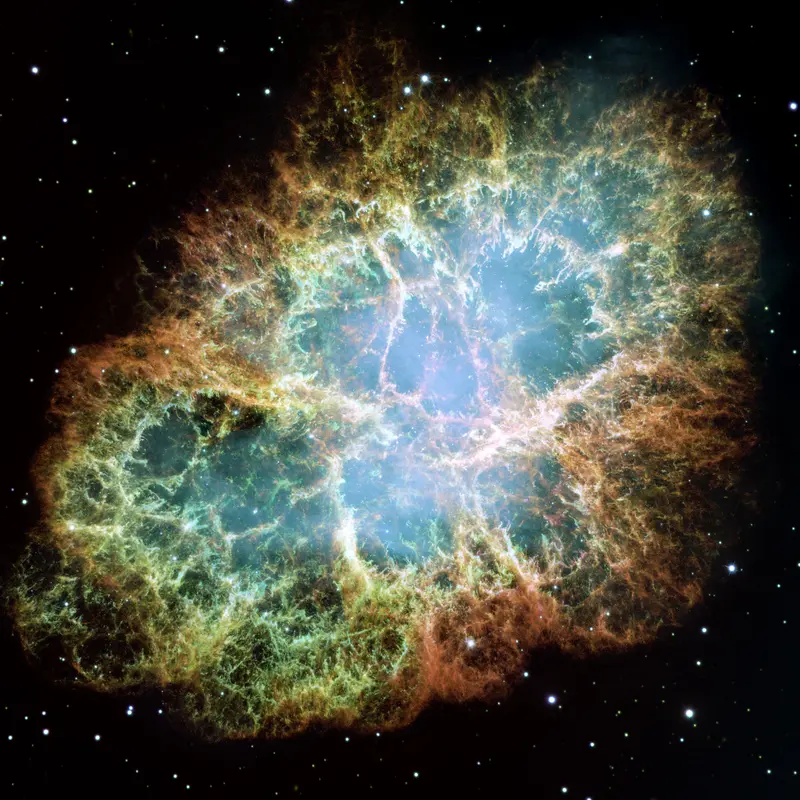
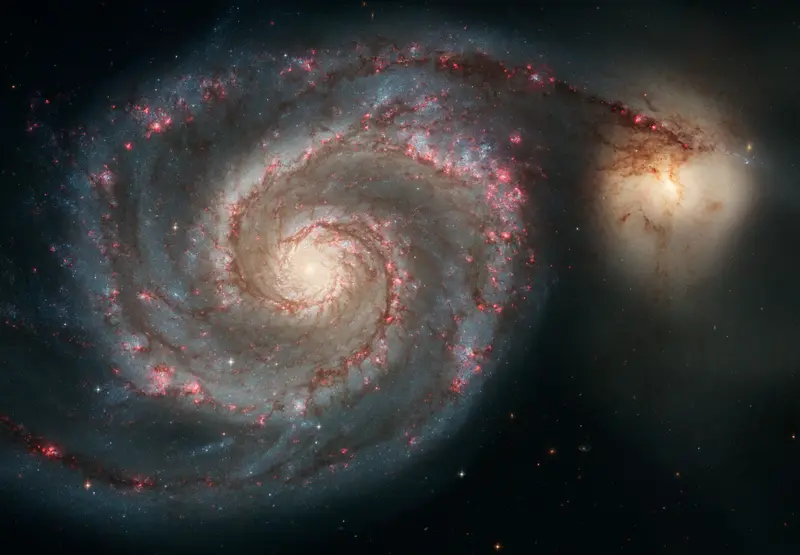
All momentsThe universe, in pictures
The whole gallery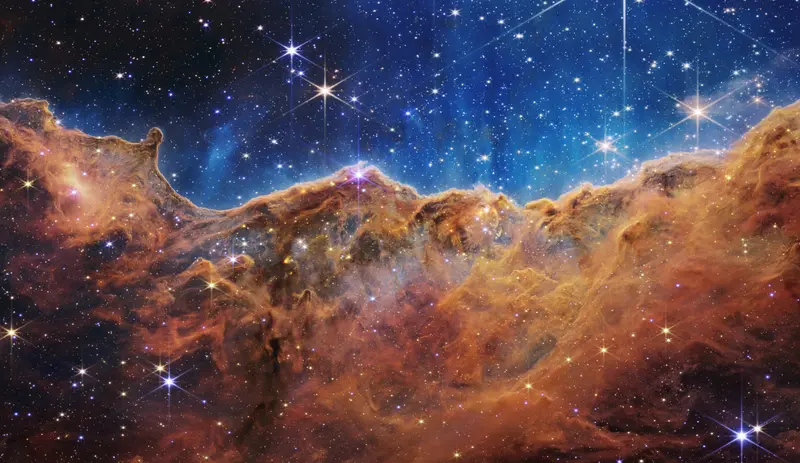
Learn by playing
All gamesGameHow much would you weigh on other worlds?Type what your scale says and find out how much you would weigh on the Moon, Mars or Jupiter, and how high you could jump on each.GameClimb through the atmosphereRise from the ground to 1,000 km: clouds, airliners, balloons, the Kármán line, the auroras and the Space Station. GameNewton’s cannonFire a cannonball from an impossibly tall mountain at the speed you choose: does it fall, circle the Earth or escape forever?GameDesign your rocketChoose the propellant, the stages and the payload, and see whether your rocket reaches orbit or the Moon. The rocket equation in action.GameThe heat shieldChoose the material and thickness of the heat shield of a capsule coming home at 8 km/s, or from the Moon at 11 km/s. Does it survive?
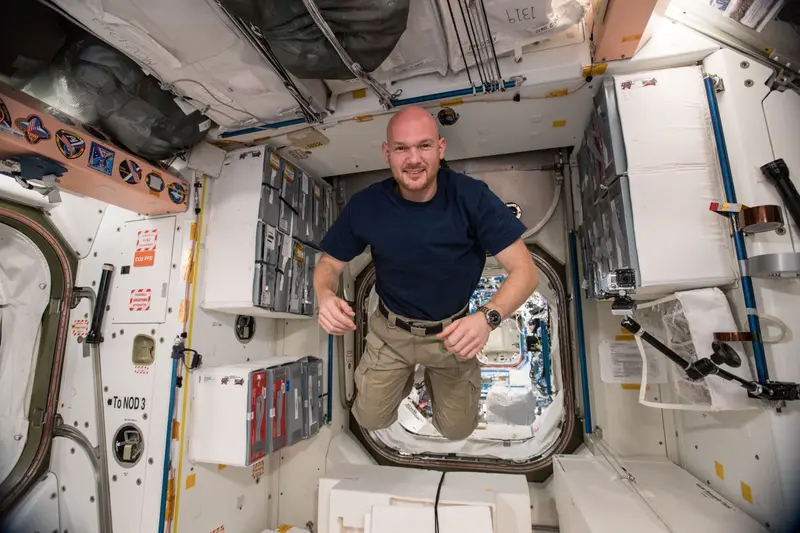 GameKeep the crew aliveOxygen, water and food for a space station: decide what gets recycled and work out how many tonnes must be launched from Earth.
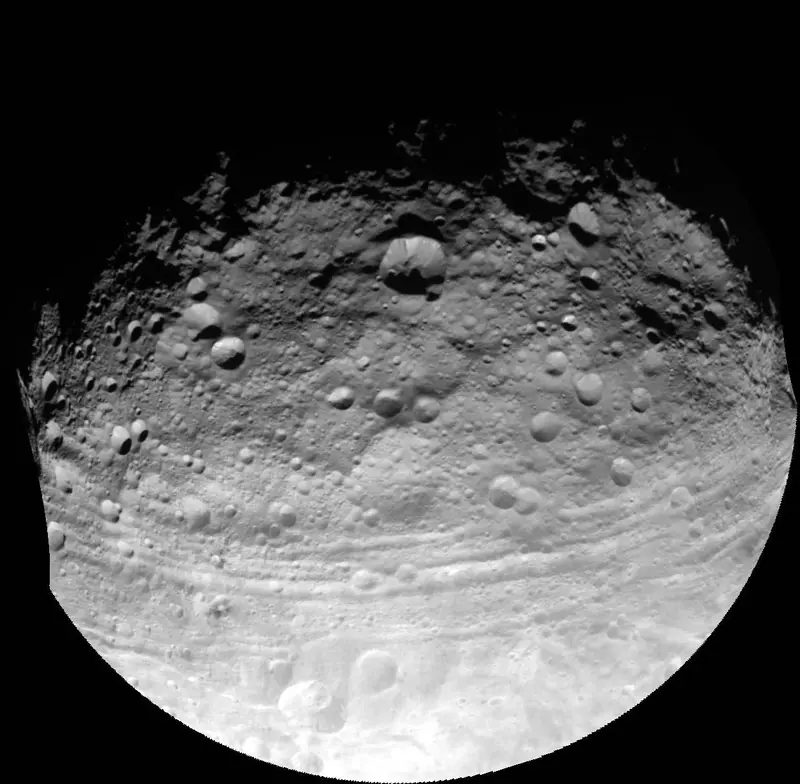 ActivityGamoras 3D MissionLand a damaged ship on a 220 km asteroid, search for water with a hopping robot, make propellant and a glass-ceramic nozzle, and fly back up to dock with your ship in orbit. With real physics.Play the mission
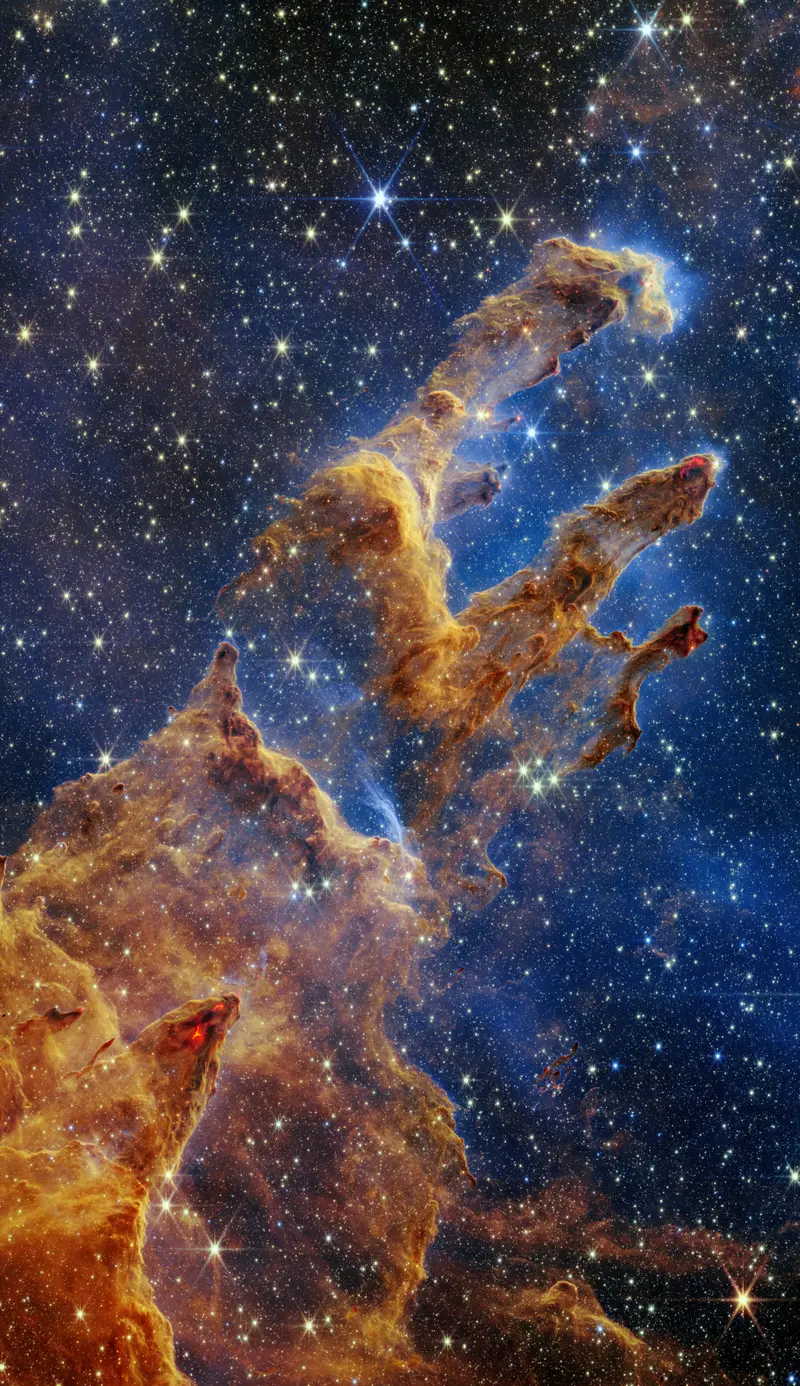 ActivityMetastable propulsion simulatorThe first version of Gamoras: missions where the energy comes from crystallising metastable materials (amorphous silicon and germanium, Si-Ge, and zirconium, iron and aluminium metallic glasses).Open the simulator