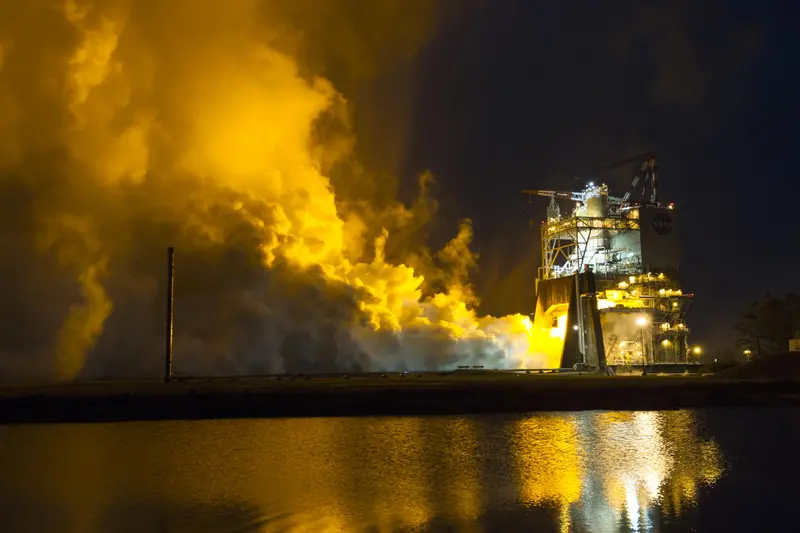
Engineering and science
Space exploration · Expert level
For engineers, scientists and students. The rocket equation and its consequences, the orbital mechanics behind every mission, the Δv budget from Earth to the Moon, re-entry, life support and the materials that make it all possible, including the metastable materials Gamoras started with.
10 topics, in order
Start with the first one or jump to the one that interests you.
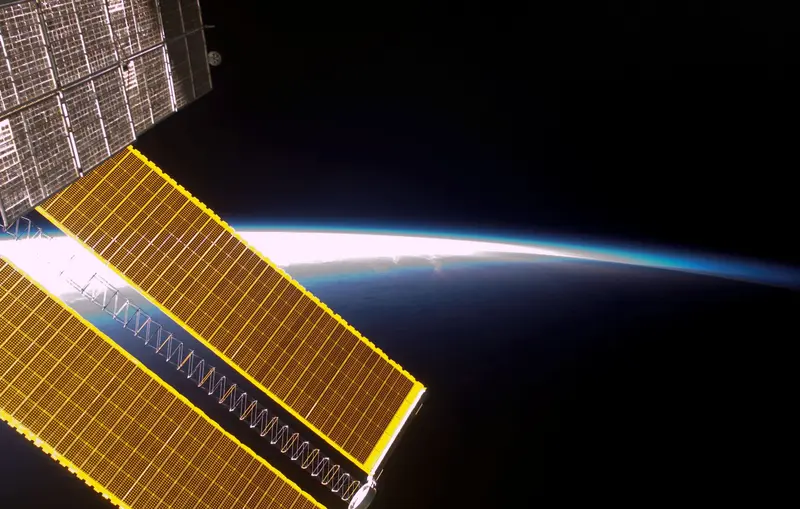 01
The Space Environment: Kármán Line, Vacuum, Temperature and Radiation
The environment everything we launch has to work in, with its numbers: pressure, temperature, radiation and distances.
11 min read
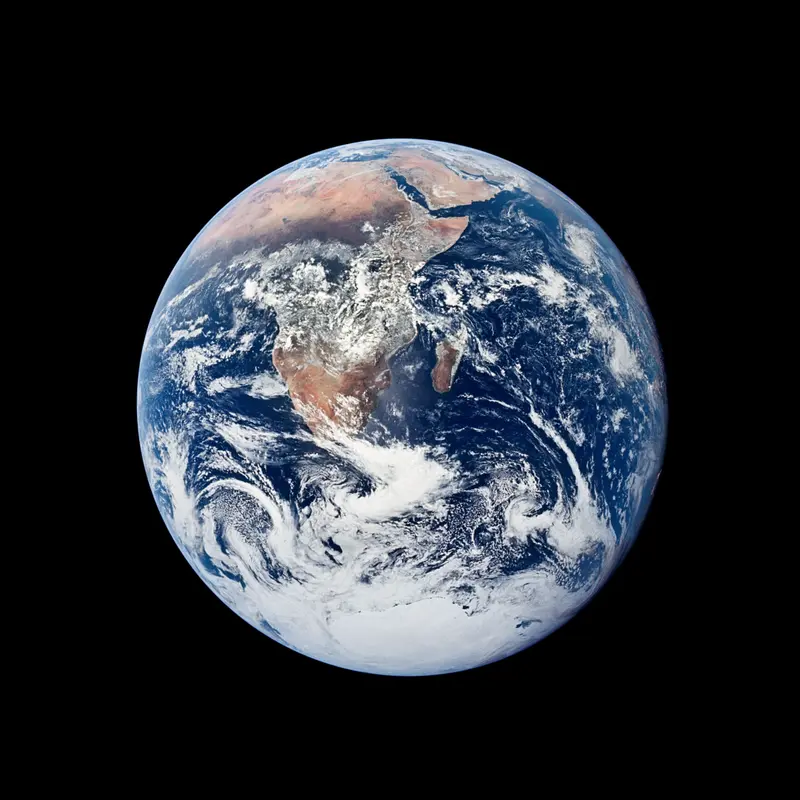 02
Orbital Mechanics for Engineers: Gravity, Kepler's Laws and Orbit Types
The two-body problem, the vis-viva equation and the orbit types actually in use, with their numbers.
10 min read
- 03
How Rocket Engines Work: Thrust, Specific Impulse and Staging
From conservation of momentum to the rocket equation, real propellants, engine cycles and why staging is needed.
10 min read
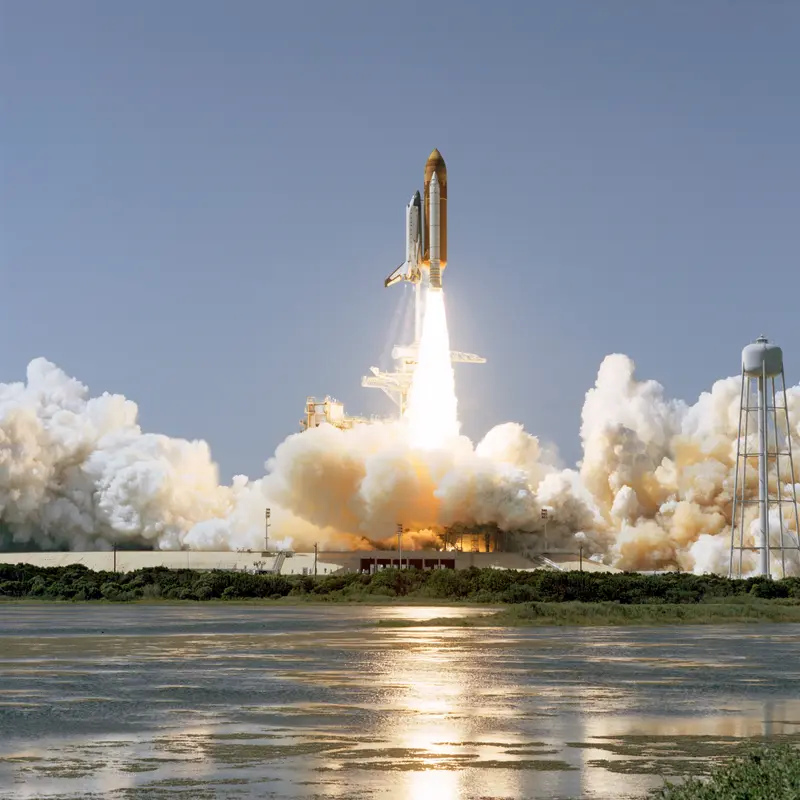 04
Launch to Orbit and Reentry: Ascent, Delta-v Budget and Heat Shields
How the ascent delta-v is spent, why rockets climb and then turn, and how 30 MJ per kilogram is shed on the way back.
10 min read
 05
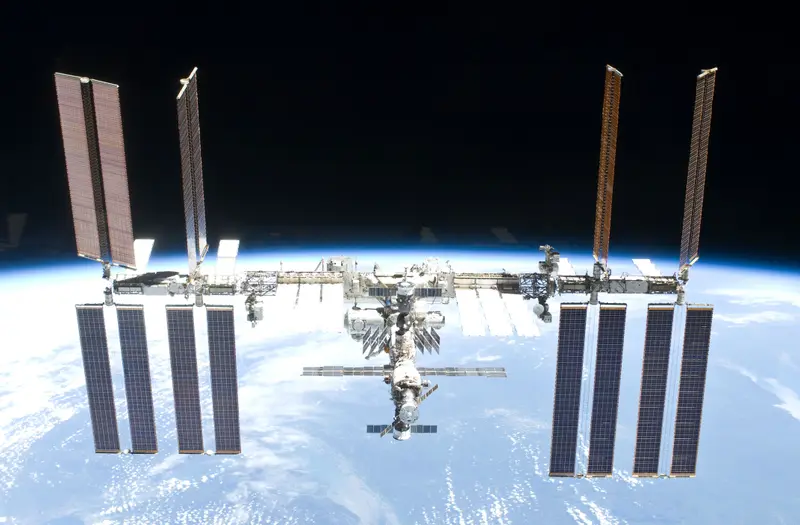
Human Spaceflight Life Support: ECLSS, Space Radiation and Physiology
The numbers behind life support, spacesuits and radiation, and what microgravity does to the human body.
10 min read
 06
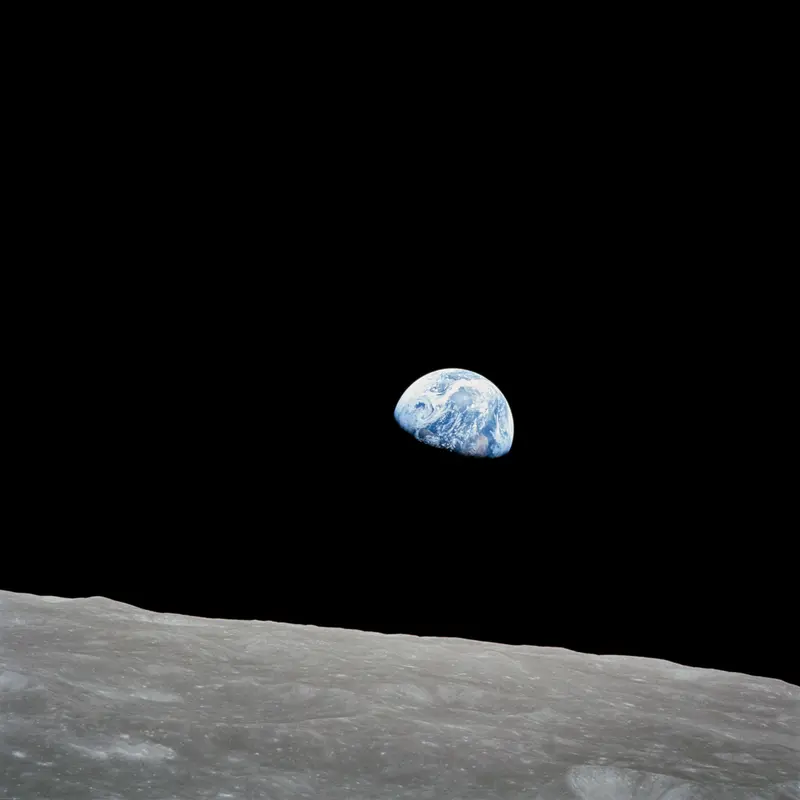
How to Get to the Moon: Trans-Lunar Injection, Delta-v, Lunar Landing and Artemis
The mechanics of going to the Moon and back, leg by leg, with the delta-v of each maneuver and the challenges still open.
10 min read
 07
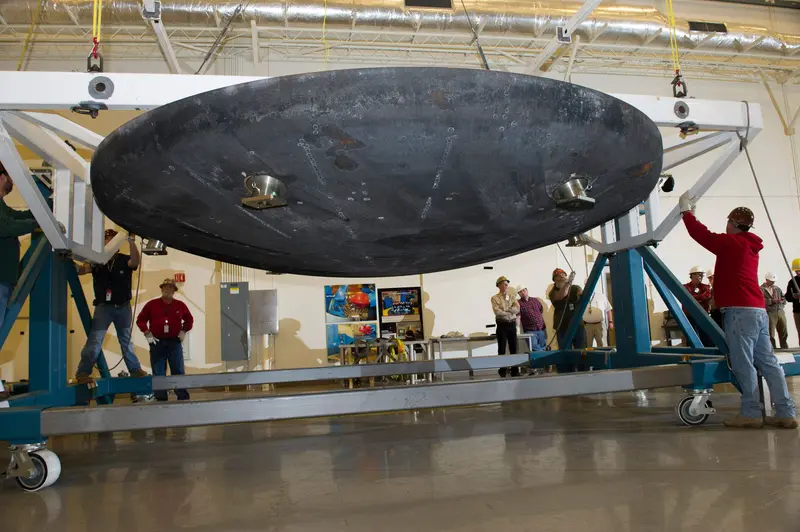
Space Materials Engineering: Structures, Heat Shields and Metastable Materials
Which materials are used and why, from aluminum-lithium to ablative heat shields, and the science of metastable materials that store energy in their disorder.
18 min read
 08
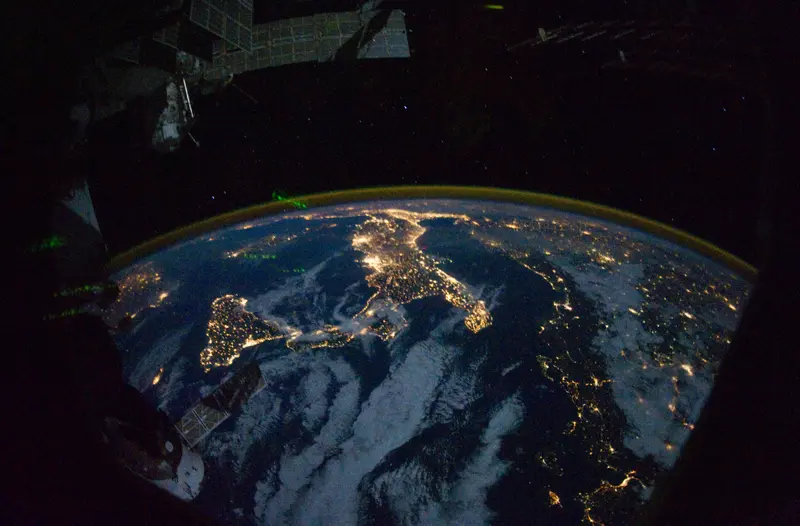
Satellite Applications: Communications, GNSS, Weather and Earth Observation
How communications, navigation, weather and observation satellites work inside, and what we do with them.
10 min read
 09
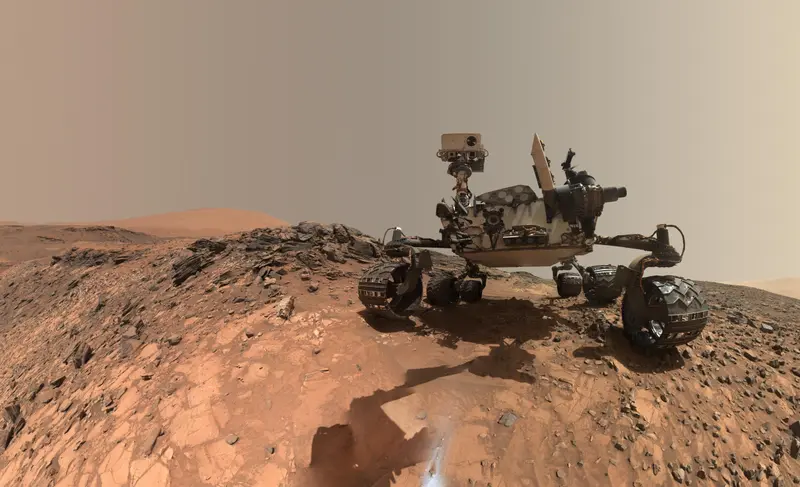
The Future of Space Exploration: Moon Bases, Mars, ISRU and Advanced Propulsion
What it takes to stay on the Moon, reach Mars and use space resources, and which propulsion could change the rules.
10 min read
 10
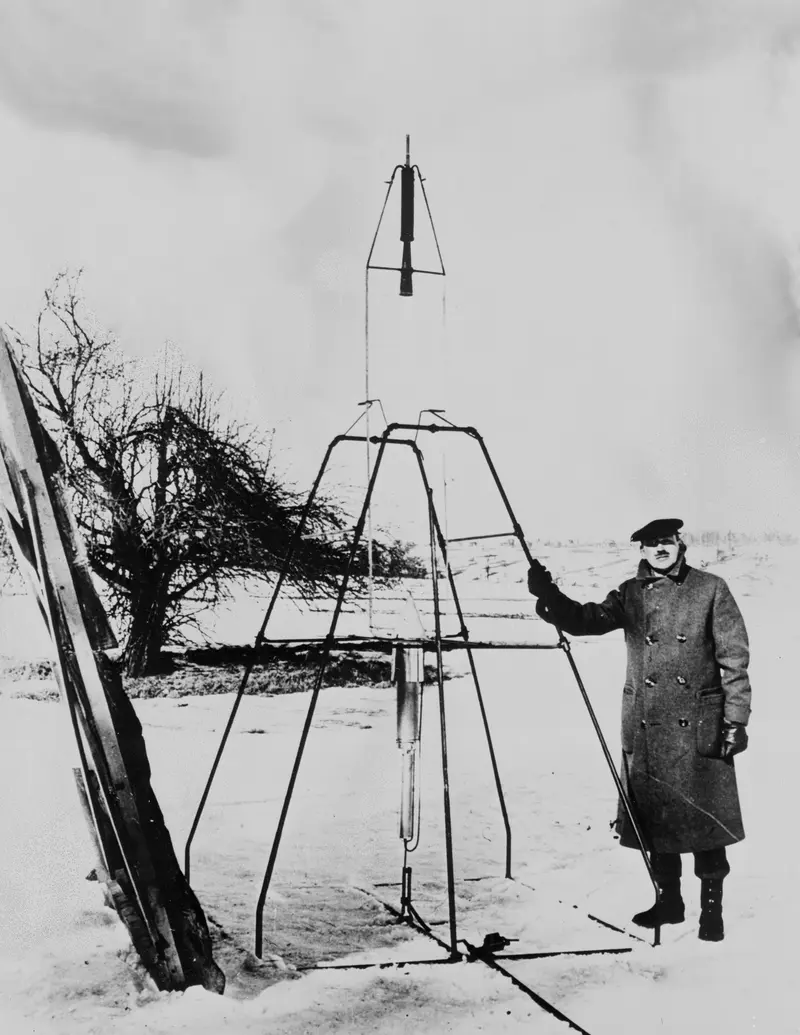
History of Spaceflight: Key Milestones and the Engineering Lesson of Each
The essential milestones, from Tsiolkovsky to rockets that land, and the engineering lesson each one left behind.
8 min read
Epic moments
What these topics are about, exactly as it happened.
Games to practise
 GameHow much would you weigh on other worlds?Type what your scale says and find out how much you would weigh on the Moon, Mars or Jupiter, and how high you could jump on each.GameClimb through the atmosphereRise from the ground to 1,000 km: clouds, airliners, balloons, the Kármán line, the auroras and the Space Station.GameNewton’s cannonFire a cannonball from an impossibly tall mountain at the speed you choose: does it fall, circle the Earth or escape forever?
 GameDesign your rocketChoose the propellant, the stages and the payload, and see whether your rocket reaches orbit or the Moon. The rocket equation in action.GameThe heat shieldChoose the material and thickness of the heat shield of a capsule coming home at 8 km/s, or from the Moon at 11 km/s. Does it survive?
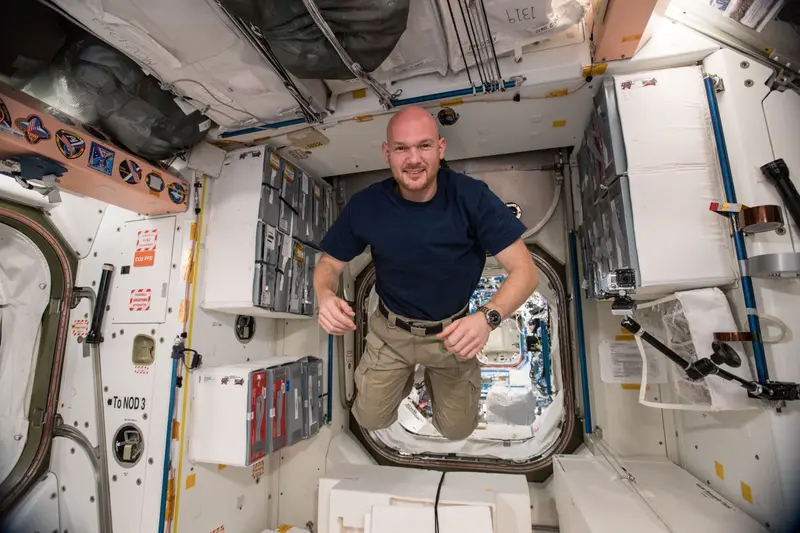 GameKeep the crew aliveOxygen, water and food for a space station: decide what gets recycled and work out how many tonnes must be launched from Earth.
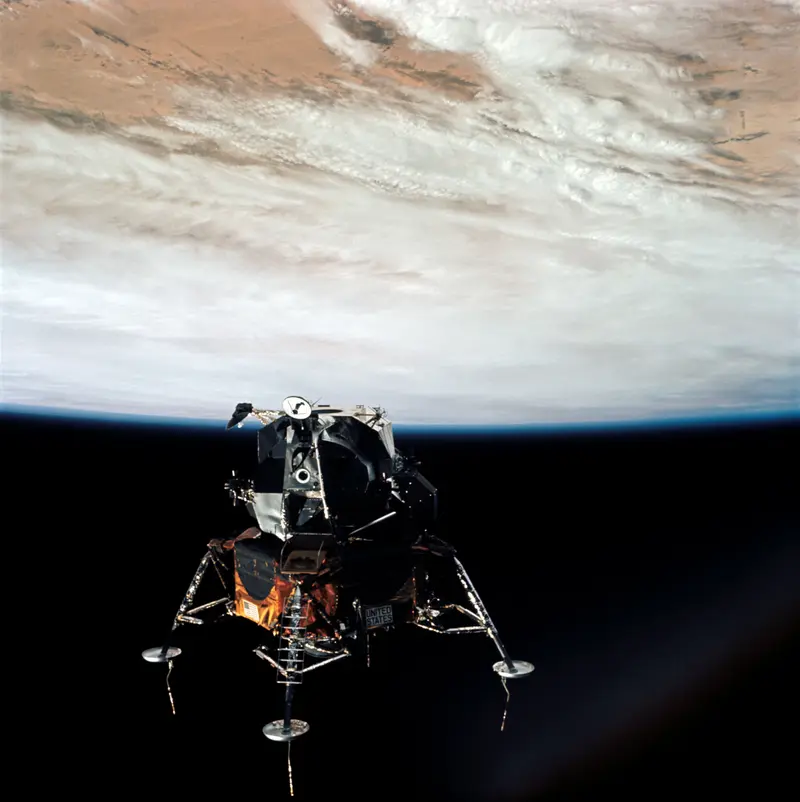 GameLand the lunar moduleControl the engine of a lunar module and set it down slowly and upright on the Moon before the fuel runs out.
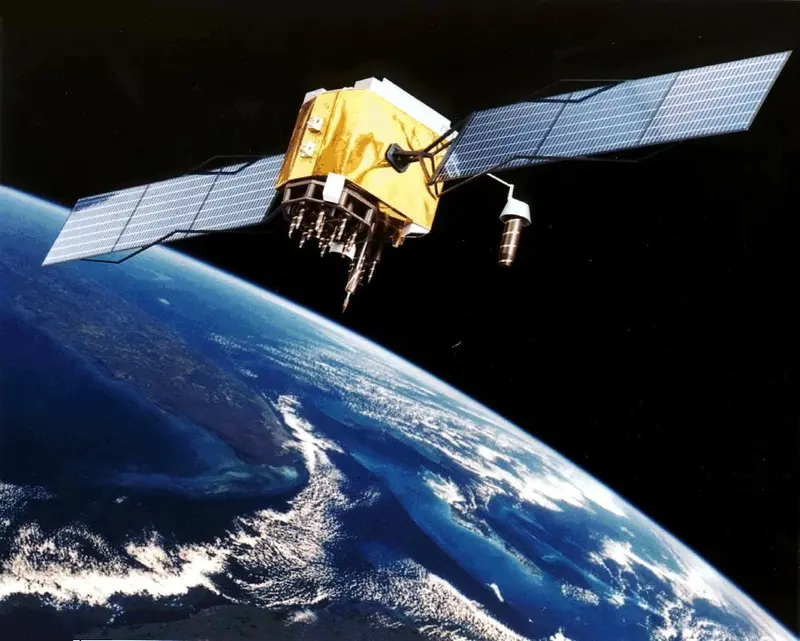 GameFind yourself with GPSUse the distance to three satellites to find out where you are: this is how your phone knows its position anywhere in the world.
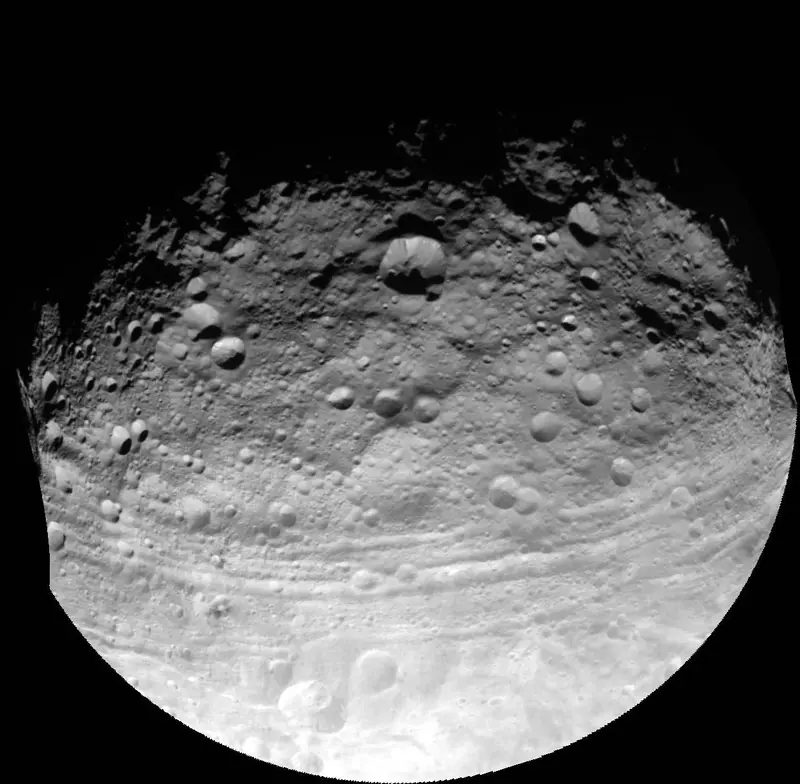 ActivityGamoras 3D MissionLand a damaged ship on a 220 km asteroid, search for water with a hopping robot, make propellant and a glass-ceramic nozzle, and fly back up to dock with your ship in orbit. With real physics.Play the mission
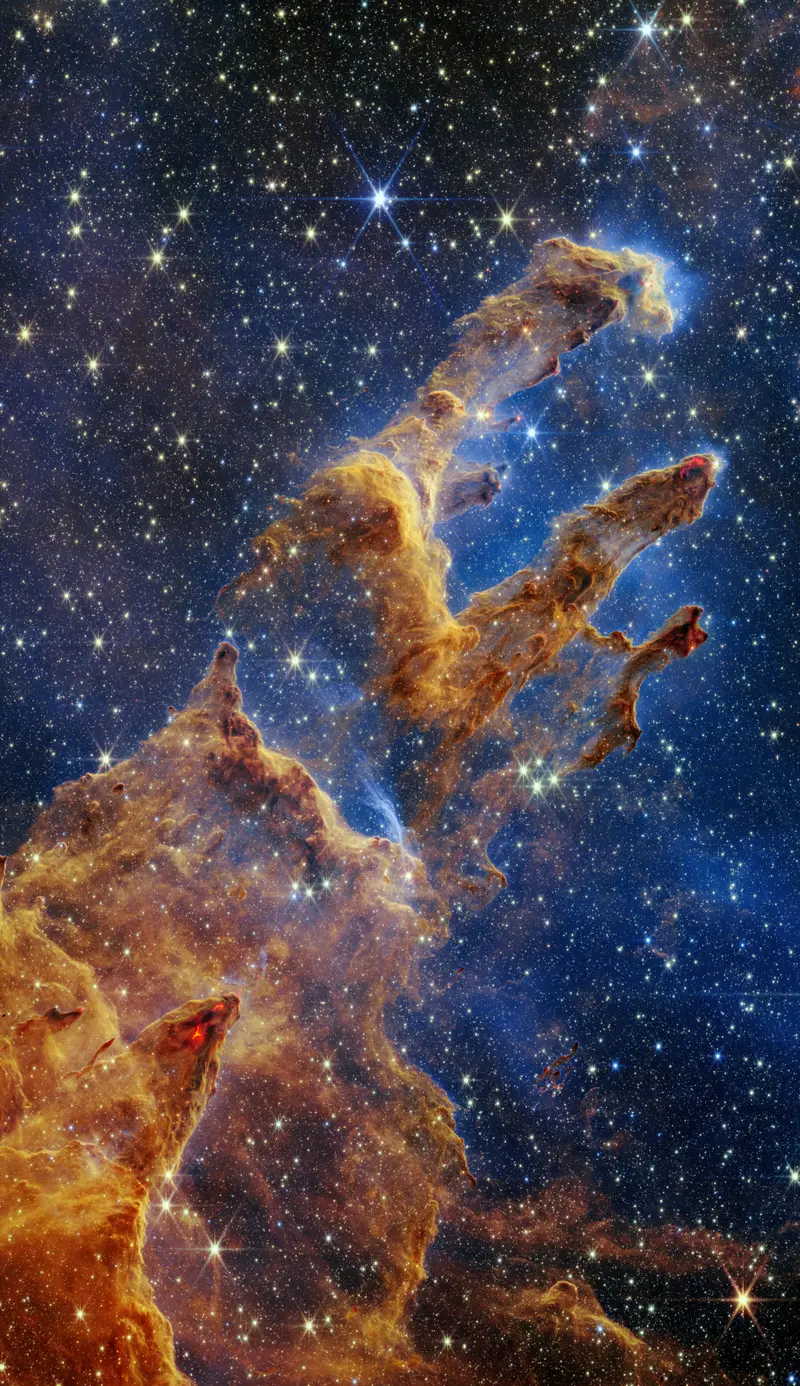 ActivityMetastable propulsion simulatorThe first version of Gamoras: missions where the energy comes from crystallising metastable materials (amorphous silicon and germanium, Si-Ge, and zirconium, iron and aluminium metallic glasses).Open the simulator
Beyond: aerospace engineering
All of engineeringUniversity-level subjects, with equations, worked examples with real spacecraft and references.
Subject · 5 lessonsOrbital mechanicsKepler, orbital elements and the manoeuvres used to change orbit, travel between planets and dock one spacecraft with another.Kepler · Elements · Hohmann · Plane change · DockingSubject · 5 lessonsRocket propulsionHow a nozzle turns heat into speed, how liquid, solid and electric engines work, and how propellants are chosen.Nozzle · Liquid · Solid · Electric · Propellants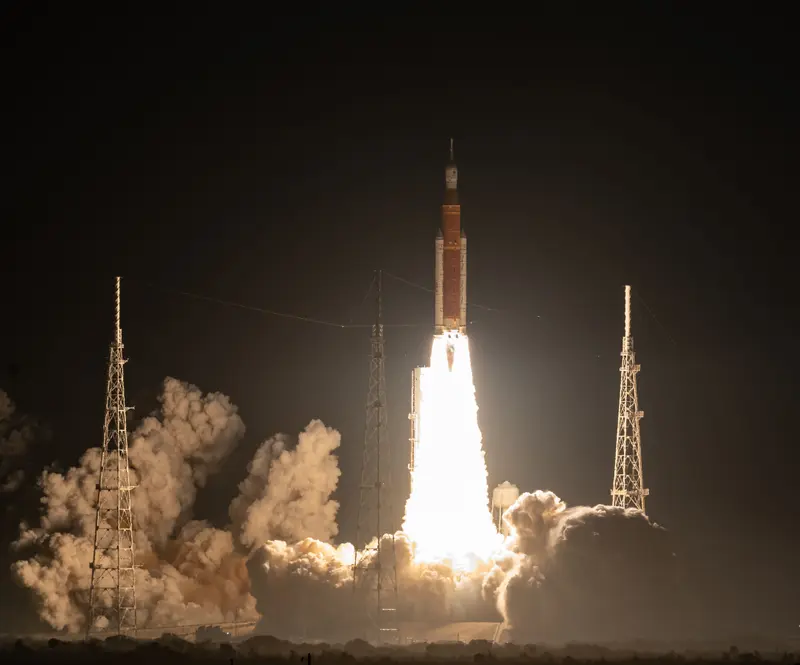 Subject · 5 lessonsLaunch vehicle designHow many stages and how big, how the ascent is flown, what loads the rocket must take, how it is reused, and where and when to launch.Staging · Ascent · Max-Q · Reuse · WindowsSubject · 5 lessonsAtmospheric entryHow spacecraft come home: entry trajectories, the heat they generate, the shields that survive it and the descent down to land or water.Dynamics · Heating · Ablators · Reusable · Landing
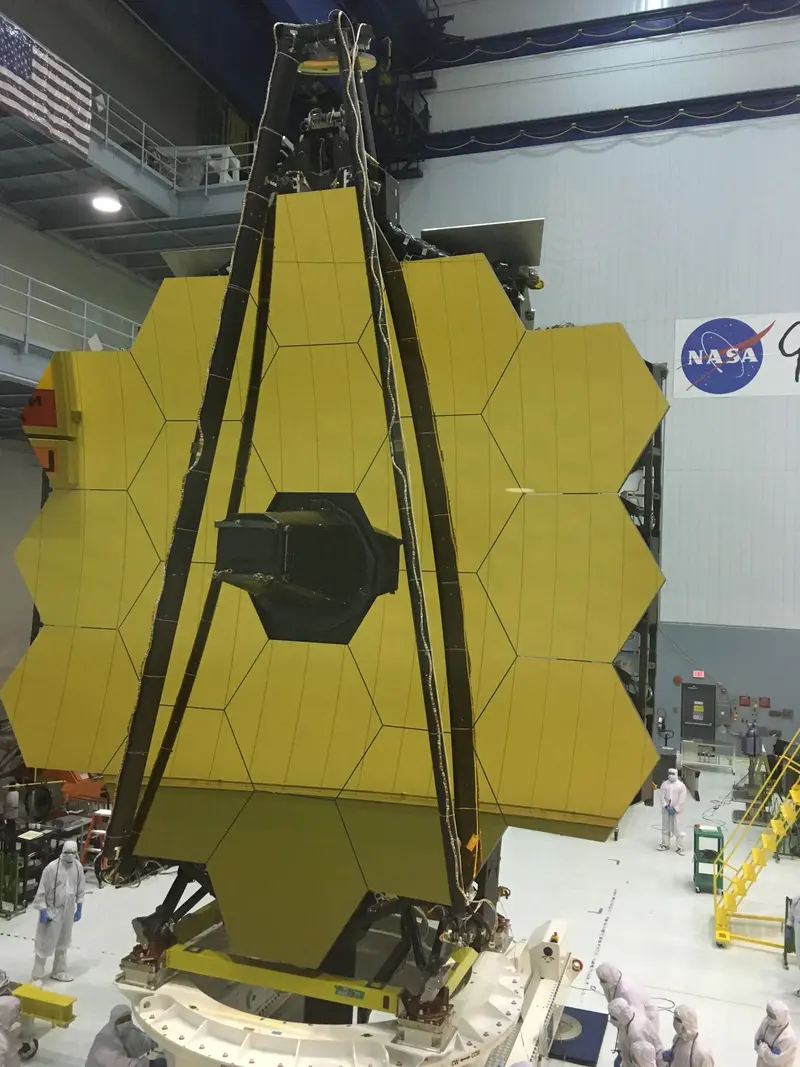 Subject · 5 lessonsAttitude control and navigationHow a spacecraft knows where it points and where it is, and how it turns and aims precisely: quaternions, sensors, reaction wheels and control laws.Attitude · Sensors · Actuators · Navigation · ControlSubject · 5 lessonsSpacecraft systemsWhat keeps a spacecraft alive: power, thermal control, communications, the environment that attacks it and the systems engineering that ties it all together.Power · Thermal · Link · Environment · Systems