Engineering · Subject
Attitude control and navigation
How a spacecraft knows where it points and where it is, and how it turns and aims precisely: quaternions, sensors, reaction wheels and control laws.
The lessons
5 lessons
- 01
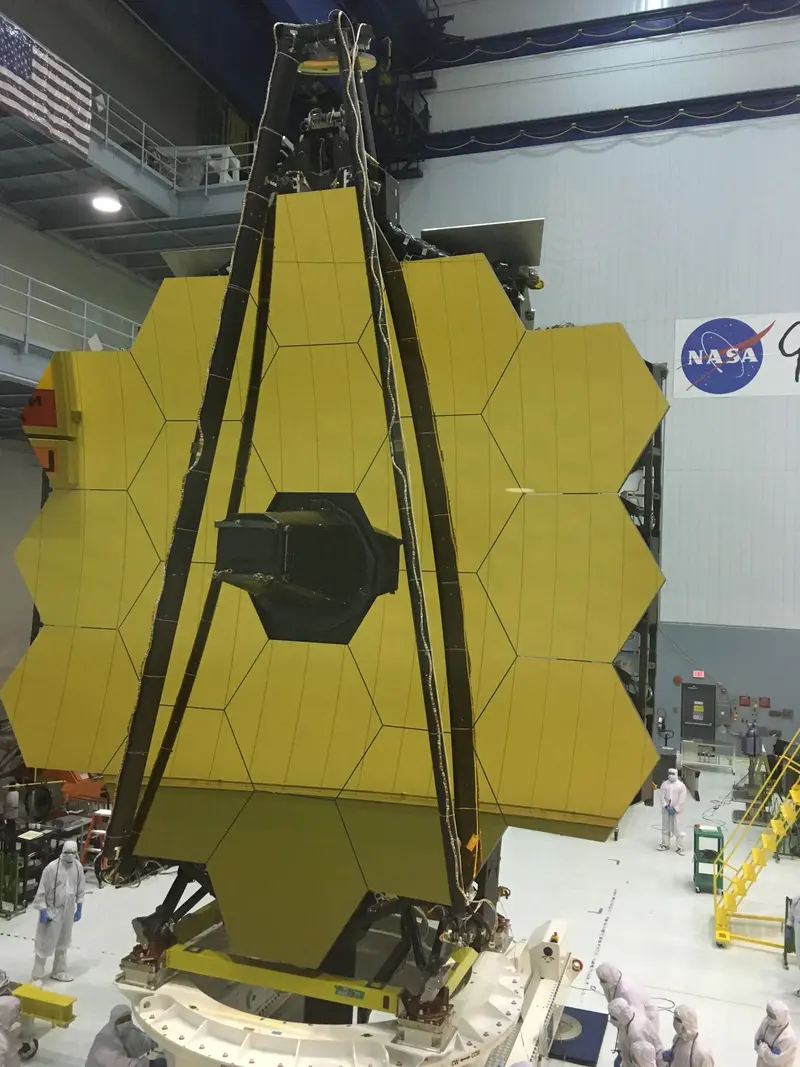
Spacecraft Attitude and Quaternions: Rotation Matrices, Euler Angles and Euler's Equations
The mathematics of where a spacecraft is pointing: rotations, quaternions and rigid-body dynamics in orbit.
16 min read
 02
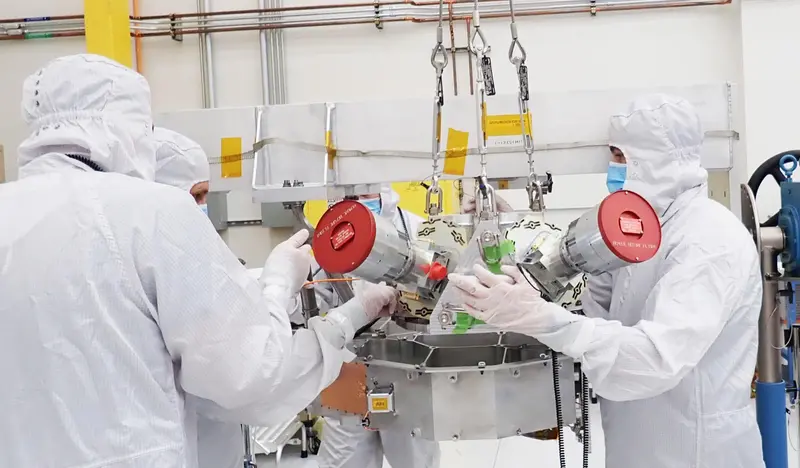
Attitude Sensors: Star Trackers, Sun Sensors, Earth Horizon Sensors, Magnetometers and Gyroscopes
What each attitude sensor measures, how accurately, and how their measurements are fused into a single estimate.
14 min read
 03
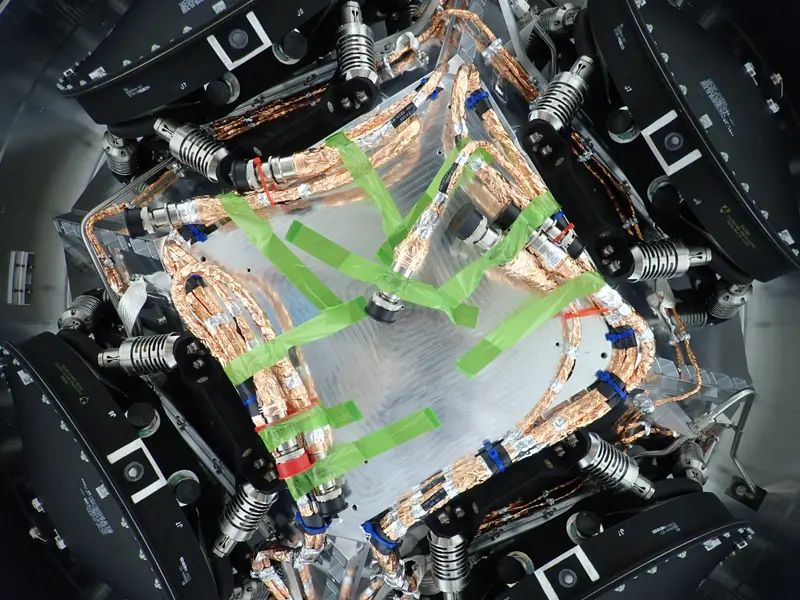
Reaction Wheels and Attitude Actuators: CMGs, Magnetorquers and Thrusters
The actuators that rotate a spacecraft, how much torque and angular momentum they provide, and how stored momentum is dumped.
12 min read
 04
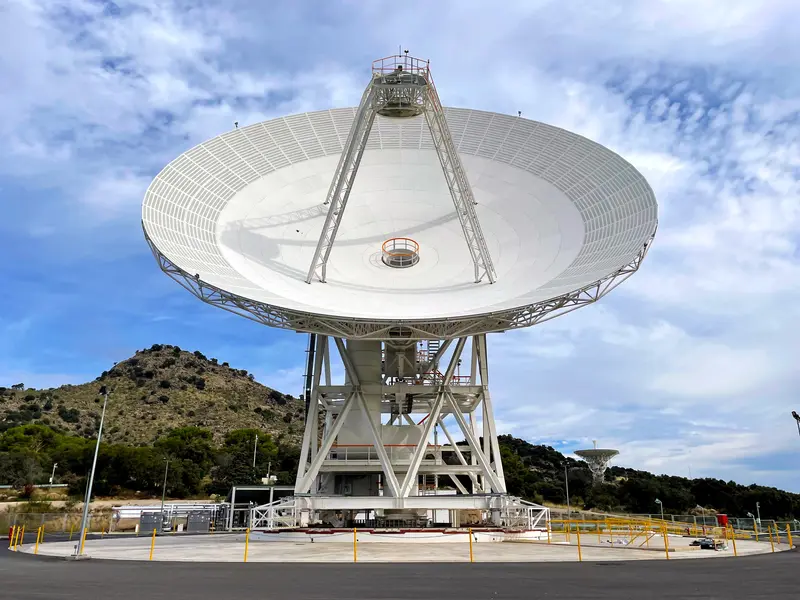
Spacecraft Navigation and Orbit Determination: Doppler, Deep Space Network, GNSS and Kalman Filter
The measurements and estimators used to compute a spacecraft's position and velocity, from low Earth orbit to Mars.
14 min read
 05
Spacecraft Attitude Control Laws: PID, Quaternion Feedback, B-dot and Eigenaxis Maneuvers
The laws that turn measured attitude into torques, from detumbling after launch to milliarcsecond pointing.
13 min read
The basics, on the path
The expert-level topics this subject builds on.
Gravity and orbits
The two-body problem, the vis-viva equation and the orbit types actually in use, with their numbers.
Why space matters
How communications, navigation, weather and observation satellites work inside, and what we do with them.
Other subjects
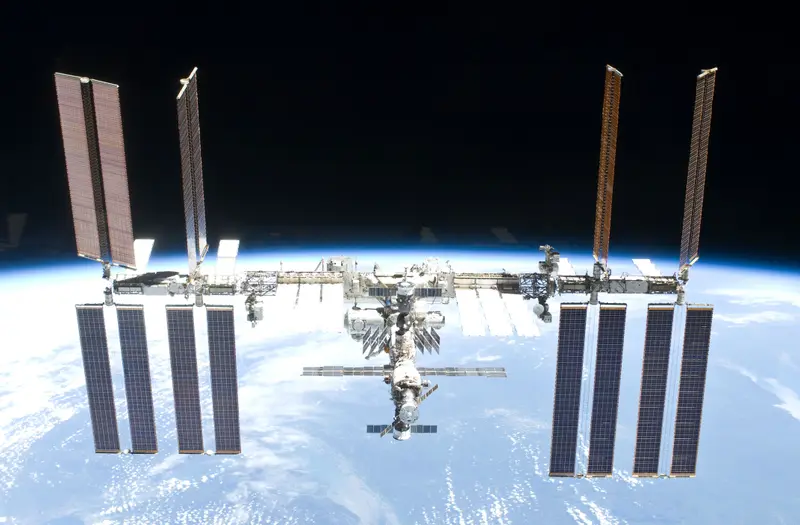 Subject · 5 lessonsOrbital mechanicsKepler, orbital elements and the manoeuvres used to change orbit, travel between planets and dock one spacecraft with another.Kepler · Elements · Hohmann · Plane change · Docking
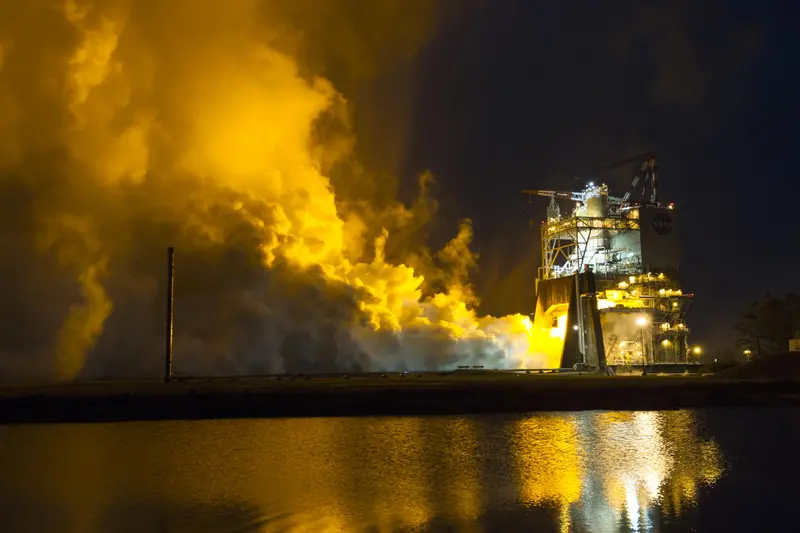 Subject · 5 lessonsRocket propulsionHow a nozzle turns heat into speed, how liquid, solid and electric engines work, and how propellants are chosen.Nozzle · Liquid · Solid · Electric · Propellants
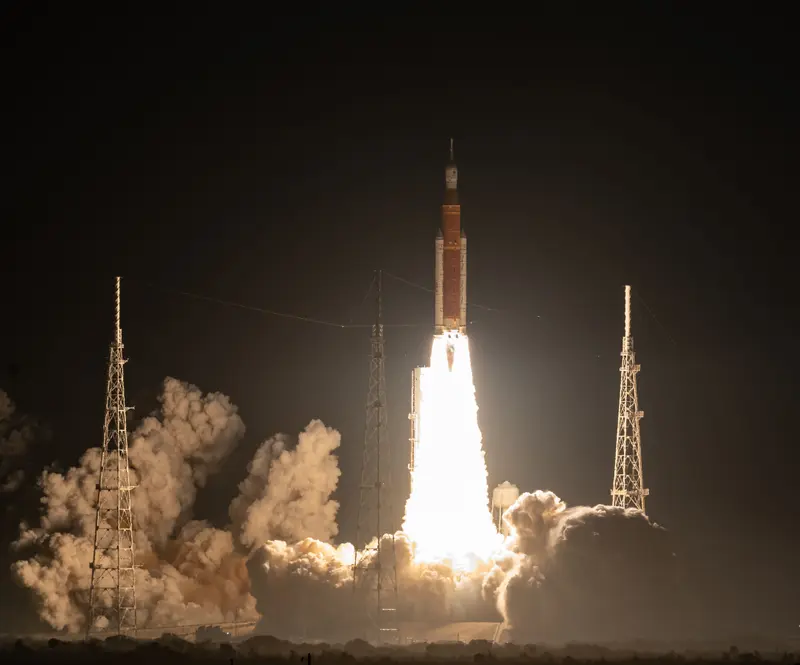 Subject · 5 lessonsLaunch vehicle designHow many stages and how big, how the ascent is flown, what loads the rocket must take, how it is reused, and where and when to launch.Staging · Ascent · Max-Q · Reuse · Windows
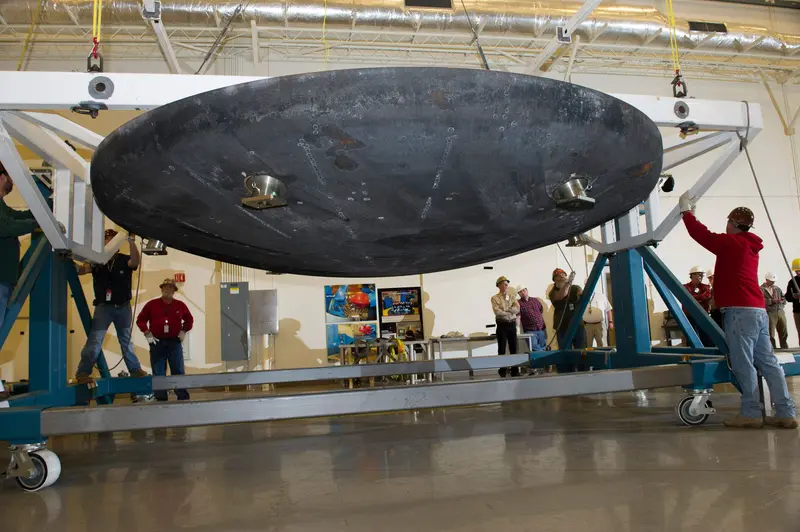 Subject · 5 lessonsAtmospheric entryHow spacecraft come home: entry trajectories, the heat they generate, the shields that survive it and the descent down to land or water.Dynamics · Heating · Ablators · Reusable · Landing
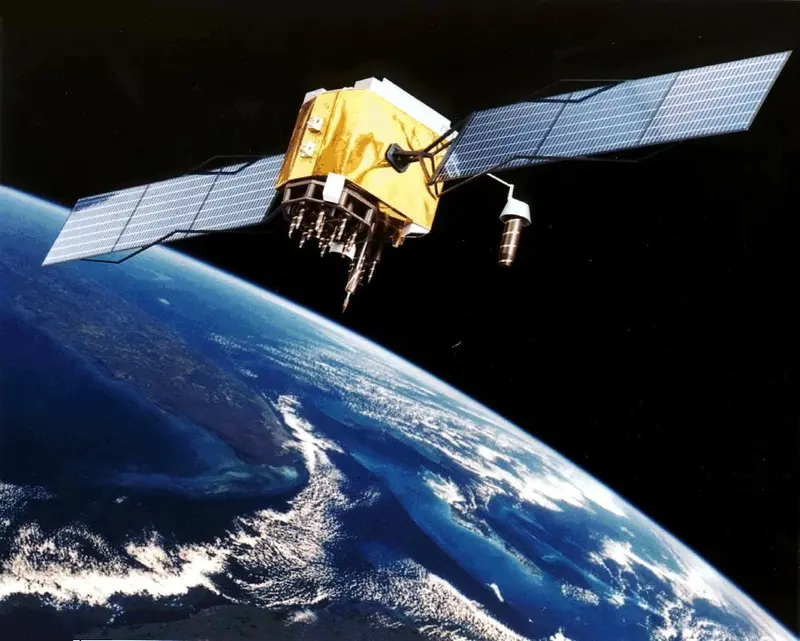 Subject · 5 lessonsSpacecraft systemsWhat keeps a spacecraft alive: power, thermal control, communications, the environment that attacks it and the systems engineering that ties it all together.Power · Thermal · Link · Environment · Systems