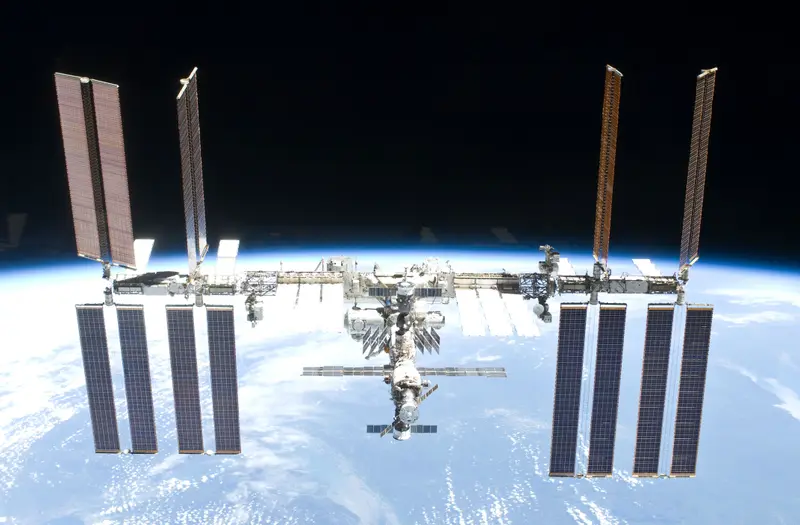
Engineering · Subject
Orbital mechanics
Kepler, orbital elements and the manoeuvres used to change orbit, travel between planets and dock one spacecraft with another.
The lessons
5 lessons
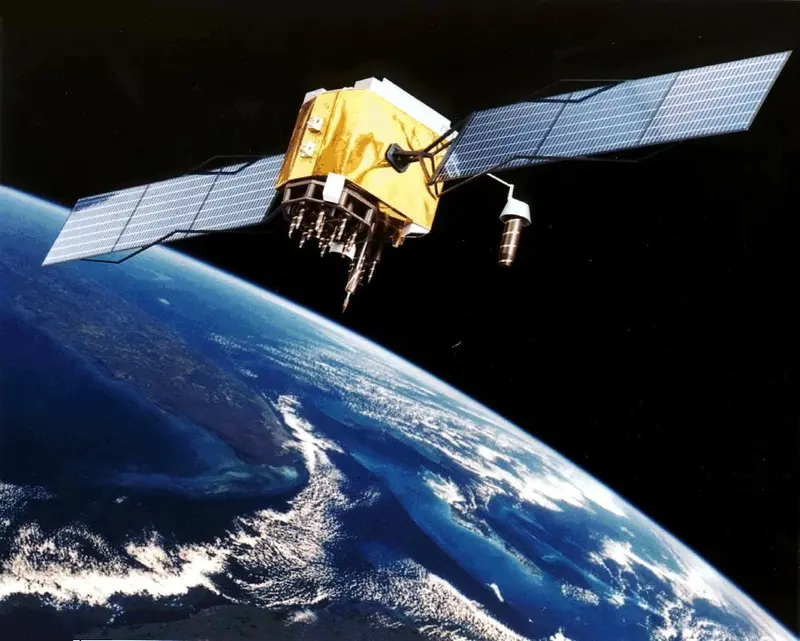
 01
Kepler's Laws and the Two-Body Problem: Derivation, Kepler's Equation and Hyperbolic Orbits
From Newton's law to Kepler's three laws, Kepler's equation solved step by step, and the hyperbolas of escape and flyby.
14 min read
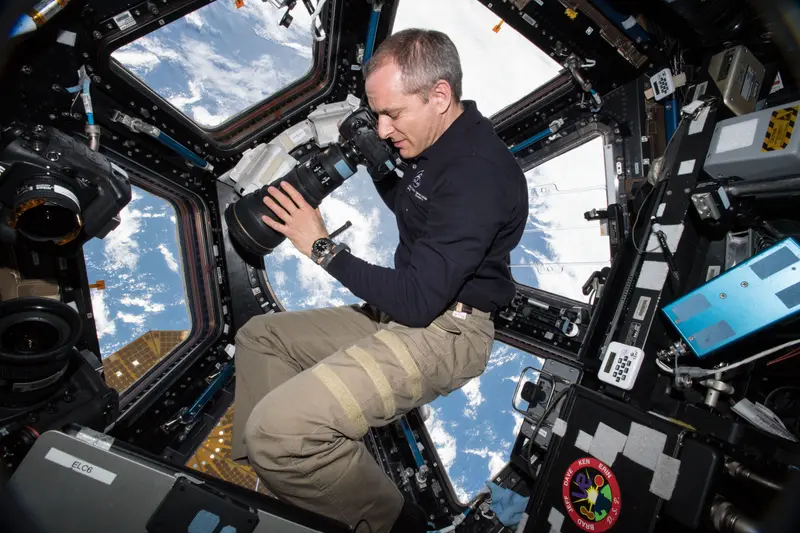
 02
Orbital Elements: State Vector to Keplerian Elements, TLEs and J2 Perturbations
How an orbit is described with six numbers, how to convert position and velocity to elements and back, and how to design with J2 drift.
13 min read
- 03
Hohmann Transfer: Minimum-Δv Orbit Change Explained with Worked Examples
The cheapest two-impulse maneuver between circular orbits, when it stops being the cheapest, and how it is used to reach GEO and Mars.
12 min read
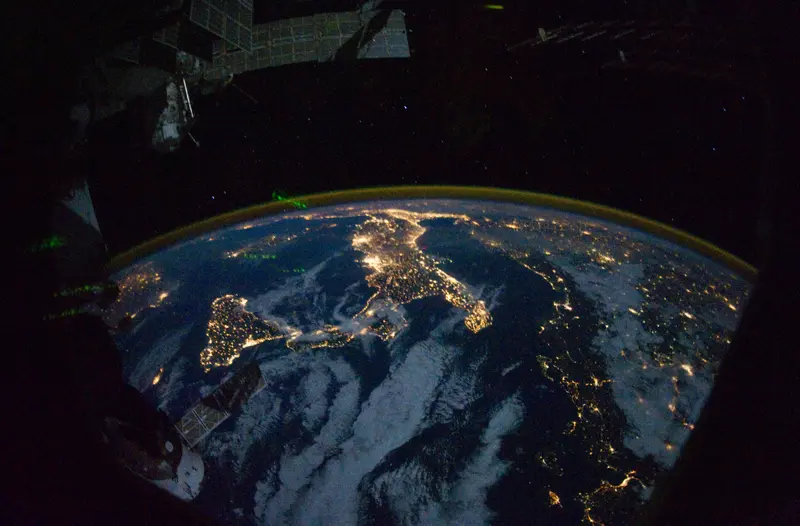 04
Orbital Plane Change: Inclination, Node, Combined Maneuvers and How to Make Them Cheaper
Why rotating an orbit's plane is the most expensive maneuver, where it is done, and the tricks to pay less: combine it, go higher first or let J2 do the work.
12 min read
- 05
Orbital Rendezvous and Docking: Phasing, Clohessy–Wiltshire Equations and Arrival at the ISS
How one spacecraft catches another moving at 7.7 km/s and docks at a few centimeters per second: phasing, relative motion, maneuvers and safety.
13 min read
The basics, on the path
The expert-level topics this subject builds on.
Gravity and orbits
The two-body problem, the vis-viva equation and the orbit types actually in use, with their numbers.
Getting to orbit
How the ascent delta-v is spent, why rockets climb and then turn, and how 30 MJ per kilogram is shed on the way back.
Going to the Moon
The mechanics of going to the Moon and back, leg by leg, with the delta-v of each maneuver and the challenges still open.
Other subjects
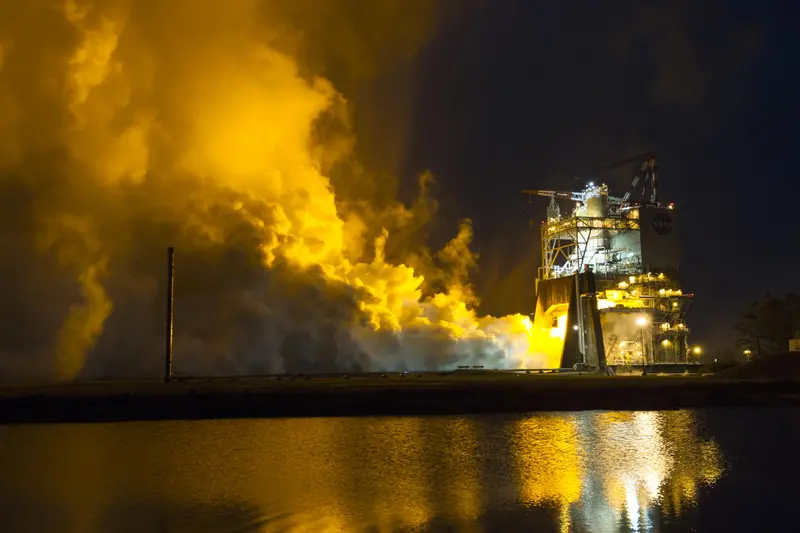 Subject · 5 lessonsRocket propulsionHow a nozzle turns heat into speed, how liquid, solid and electric engines work, and how propellants are chosen.Nozzle · Liquid · Solid · Electric · Propellants
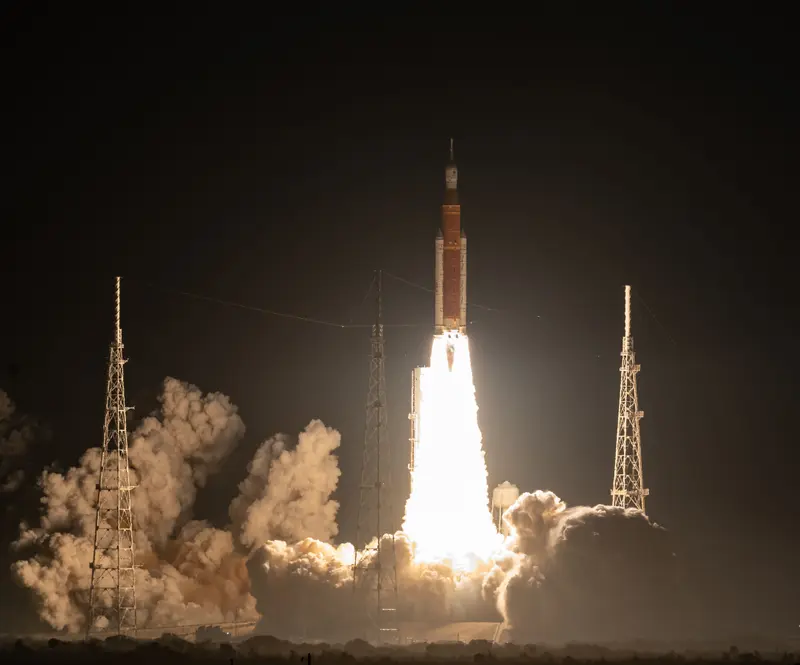 Subject · 5 lessonsLaunch vehicle designHow many stages and how big, how the ascent is flown, what loads the rocket must take, how it is reused, and where and when to launch.Staging · Ascent · Max-Q · Reuse · Windows
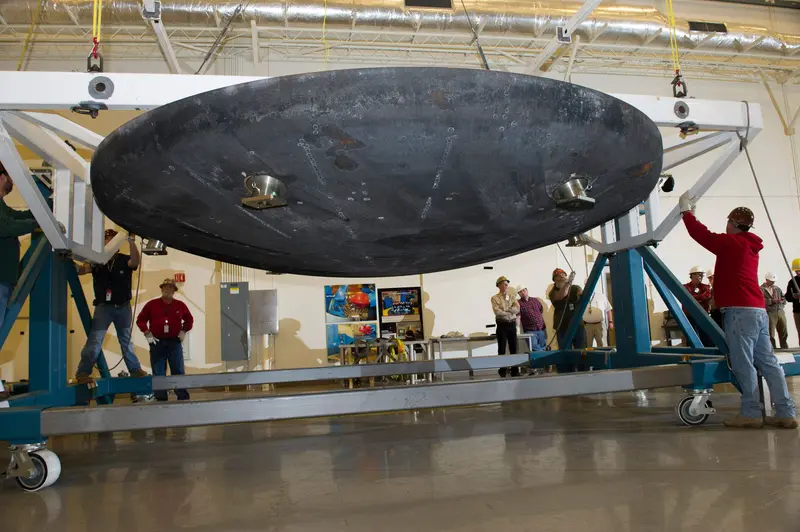 Subject · 5 lessonsAtmospheric entryHow spacecraft come home: entry trajectories, the heat they generate, the shields that survive it and the descent down to land or water.Dynamics · Heating · Ablators · Reusable · Landing
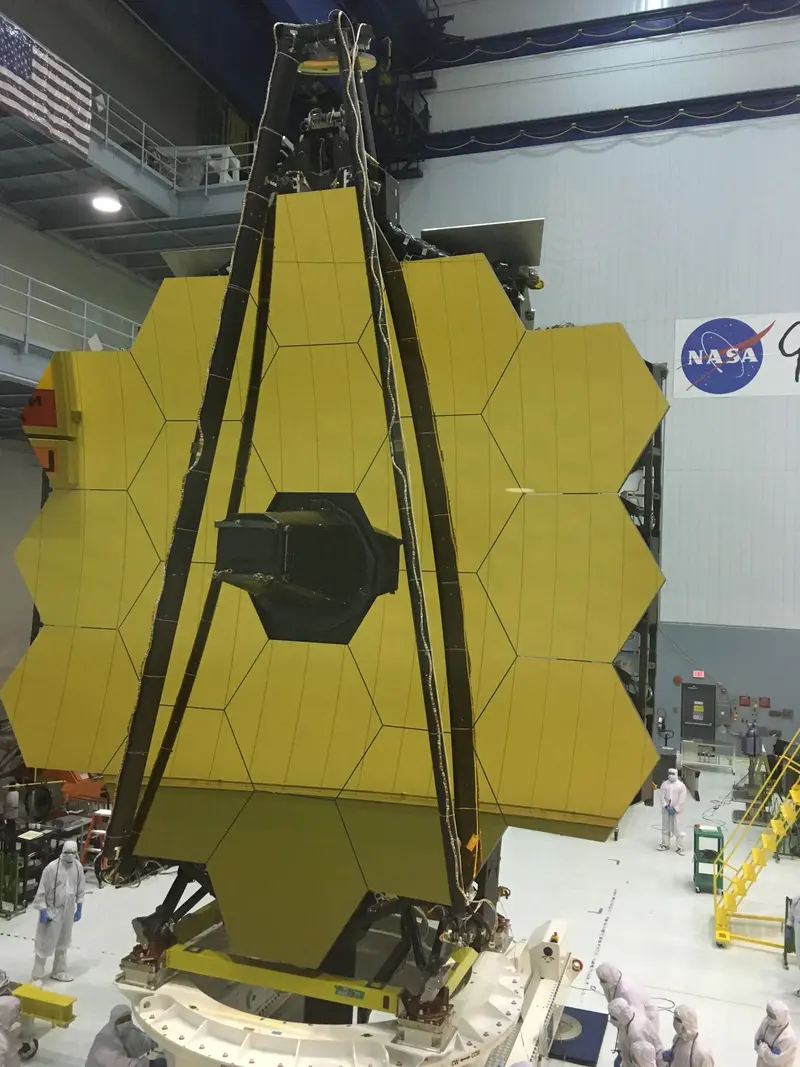 Subject · 5 lessonsAttitude control and navigationHow a spacecraft knows where it points and where it is, and how it turns and aims precisely: quaternions, sensors, reaction wheels and control laws.Attitude · Sensors · Actuators · Navigation · ControlSubject · 5 lessonsSpacecraft systemsWhat keeps a spacecraft alive: power, thermal control, communications, the environment that attacks it and the systems engineering that ties it all together.Power · Thermal · Link · Environment · Systems