Engineering · Subject
Rocket propulsion
How a nozzle turns heat into speed, how liquid, solid and electric engines work, and how propellants are chosen.
The lessons
5 lessons
 01
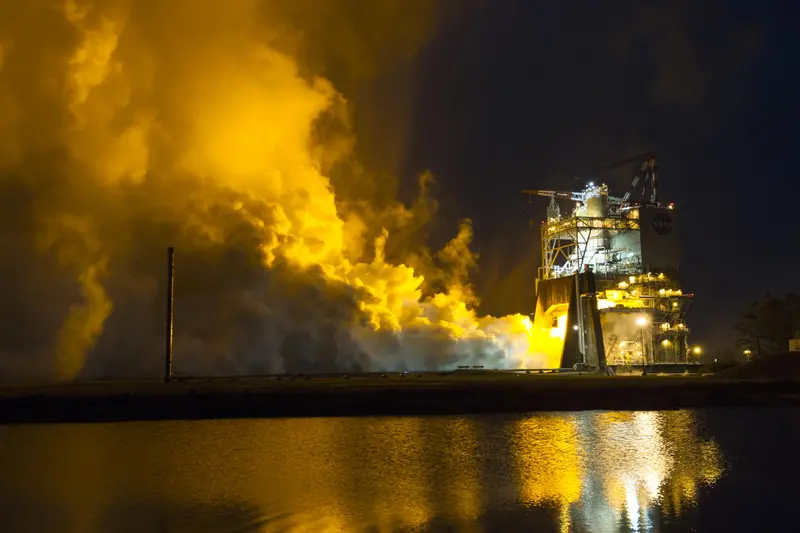
De Laval Nozzle: How a Converging-Diverging Rocket Nozzle Turns Heat into Velocity
Why a rocket nozzle narrows and then widens, and how to compute its thrust from the chamber to the exit plane.
14 min read
- 02
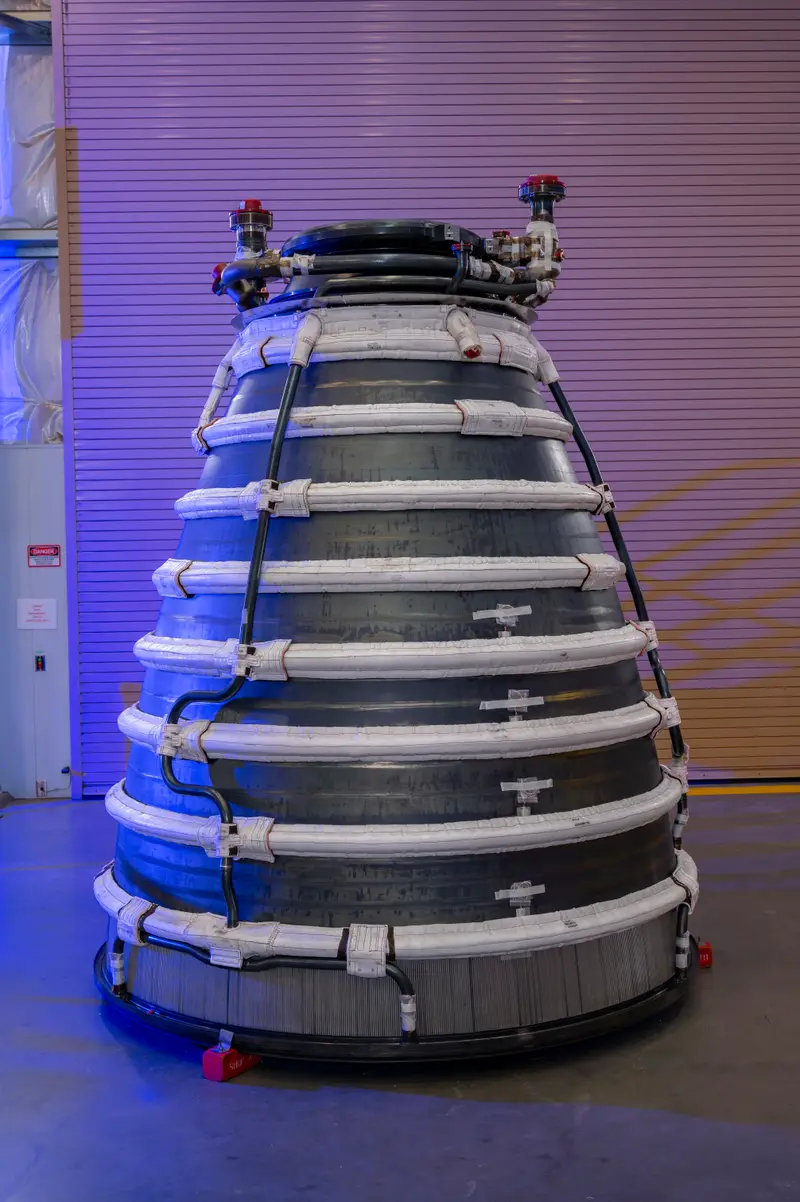
Liquid Rocket Engines: Turbopumps, Injectors, Regenerative Cooling and Engine Cycles
From tank to chamber: how propellant is pumped, injected, burned and used for cooling in a liquid engine, and which cycle to choose.
14 min read
 03
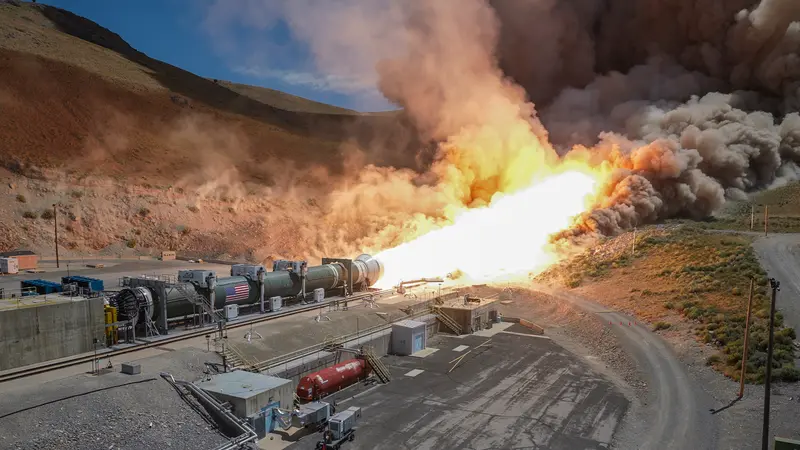
Solid and Hybrid Rocket Motors: Grain Design, Burn Rate Law and Chamber Pressure
How a block of solid propellant sets its own chamber pressure and thrust curve, and what hybrid motors bring to the table.
12 min read
 04
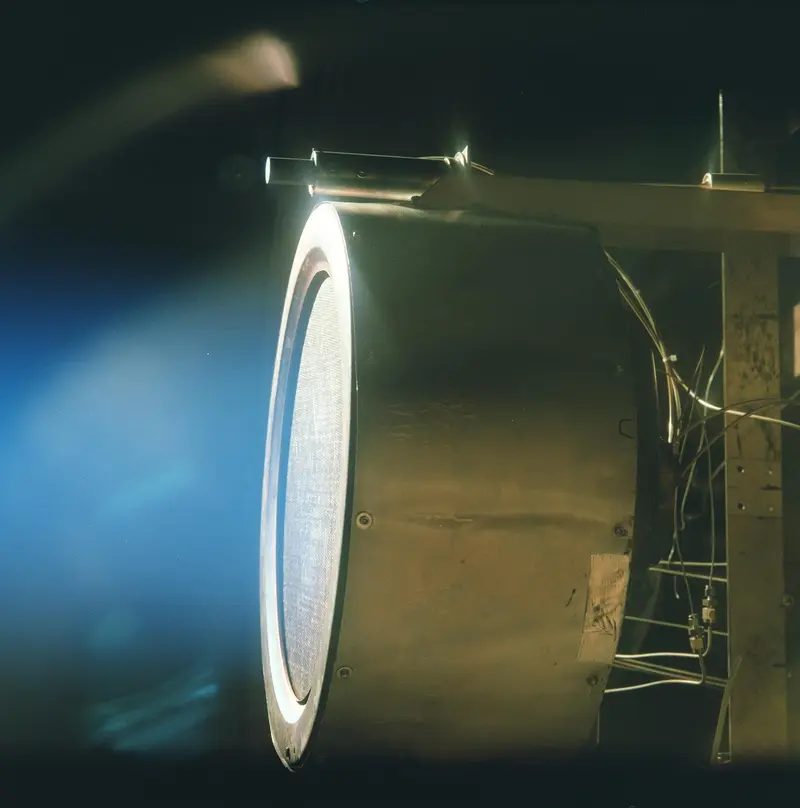
Electric Propulsion: Ion Thrusters, Hall Thrusters and Optimum Specific Impulse
How a gas is accelerated with electric fields to reach ten times the specific impulse of a chemical rocket, and why power is the limit.
14 min read
 05
Rocket Propellants: Hydrogen, Methane, Kerosene, Hypergolics and How to Choose
Why the propellant with the highest specific impulse does not always win: chemistry, density, storage and cost in propellant selection.
12 min read
The basics, on the path
The expert-level topics this subject builds on.
How a rocket works
From conservation of momentum to the rocket equation, real propellants, engine cycles and why staging is needed.
The future in space
What it takes to stay on the Moon, reach Mars and use space resources, and which propulsion could change the rules.
Other subjects
 Subject · 5 lessonsOrbital mechanicsKepler, orbital elements and the manoeuvres used to change orbit, travel between planets and dock one spacecraft with another.Kepler · Elements · Hohmann · Plane change · DockingSubject · 5 lessonsLaunch vehicle designHow many stages and how big, how the ascent is flown, what loads the rocket must take, how it is reused, and where and when to launch.Staging · Ascent · Max-Q · Reuse · Windows
 Subject · 5 lessonsAtmospheric entryHow spacecraft come home: entry trajectories, the heat they generate, the shields that survive it and the descent down to land or water.Dynamics · Heating · Ablators · Reusable · Landing
 Subject · 5 lessonsAttitude control and navigationHow a spacecraft knows where it points and where it is, and how it turns and aims precisely: quaternions, sensors, reaction wheels and control laws.Attitude · Sensors · Actuators · Navigation · Control
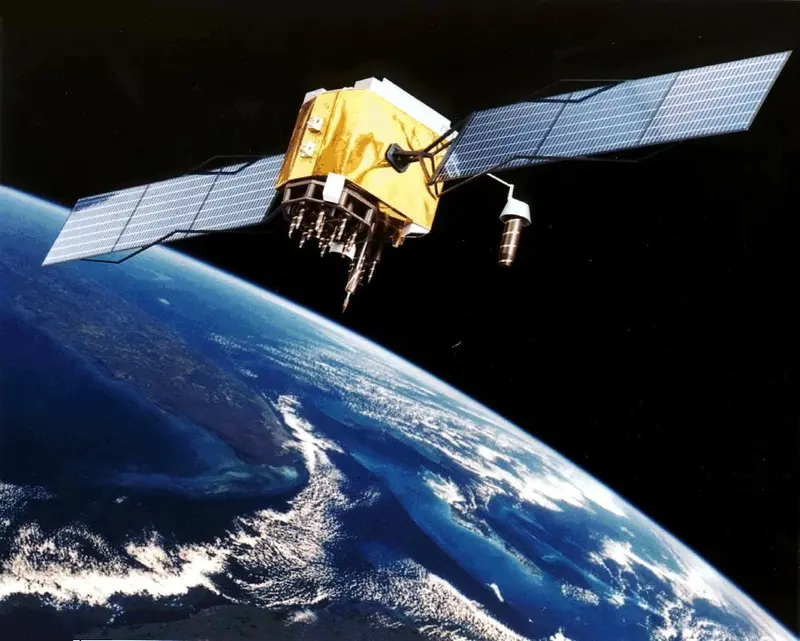 Subject · 5 lessonsSpacecraft systemsWhat keeps a spacecraft alive: power, thermal control, communications, the environment that attacks it and the systems engineering that ties it all together.Power · Thermal · Link · Environment · Systems