Engineering · Subject
Spacecraft systems
What keeps a spacecraft alive: power, thermal control, communications, the environment that attacks it and the systems engineering that ties it all together.
The lessons
5 lessons
 01
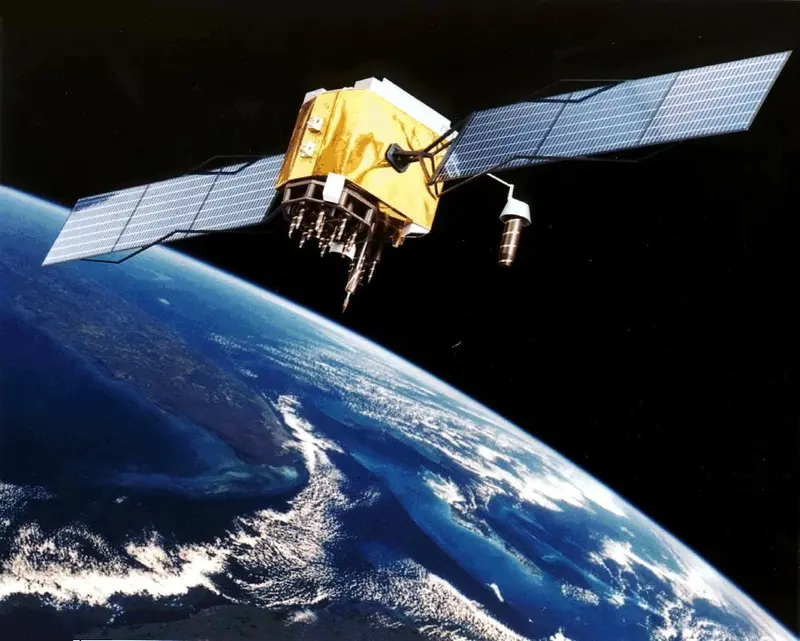
Spacecraft Power Systems: Solar Arrays, Batteries, RTGs and the Power Budget
How a spacecraft generates, stores and distributes electricity, and how solar arrays, batteries and RTGs are sized with real numbers.
17 min read
 02
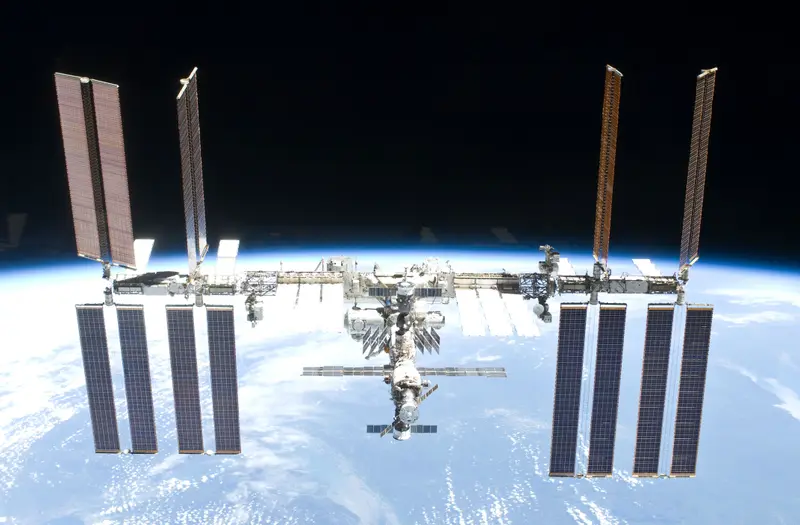
Spacecraft Thermal Control: Radiative Balance, Radiators and Multi-Layer Insulation
How every unit on a spacecraft is kept within its temperature range when the only way to get rid of heat is to radiate it.
15 min read
- 03
Link Budget Explained: The Link Equation in Space Communications
How to work out whether a signal arrives strongly enough from geostationary orbit or from 170 AU, term by term and in decibels.
13 min read
 04
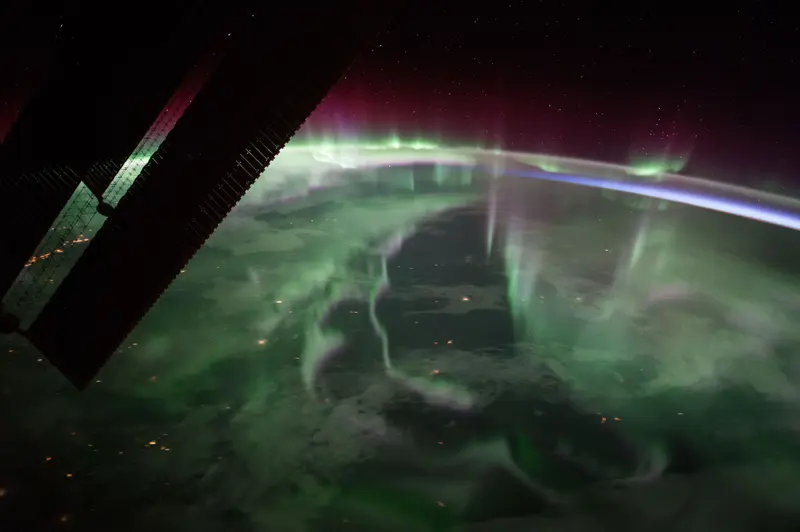
Space Environment Effects: Radiation, Effects on Electronics and Space Debris
What radiation, plasma, atomic oxygen and orbital debris do to a spacecraft, and how it is designed to survive them all.
14 min read
- 05
Spacecraft Systems Engineering: Requirements, Mass Budgets and Margins
How a mission idea becomes a spacecraft that works: requirements, budgets with margins, trade-offs, reliability and testing.
15 min read
The basics, on the path
The expert-level topics this subject builds on.
Surviving in space
The numbers behind life support, spacesuits and radiation, and what microgravity does to the human body.
Why space matters
How communications, navigation, weather and observation satellites work inside, and what we do with them.
Materials for space
Which materials are used and why, from aluminum-lithium to ablative heat shields, and the science of metastable materials that store energy in their disorder.
What is space
The environment everything we launch has to work in, with its numbers: pressure, temperature, radiation and distances.
Other subjects
Subject · 5 lessonsOrbital mechanicsKepler, orbital elements and the manoeuvres used to change orbit, travel between planets and dock one spacecraft with another.Kepler · Elements · Hohmann · Plane change · Docking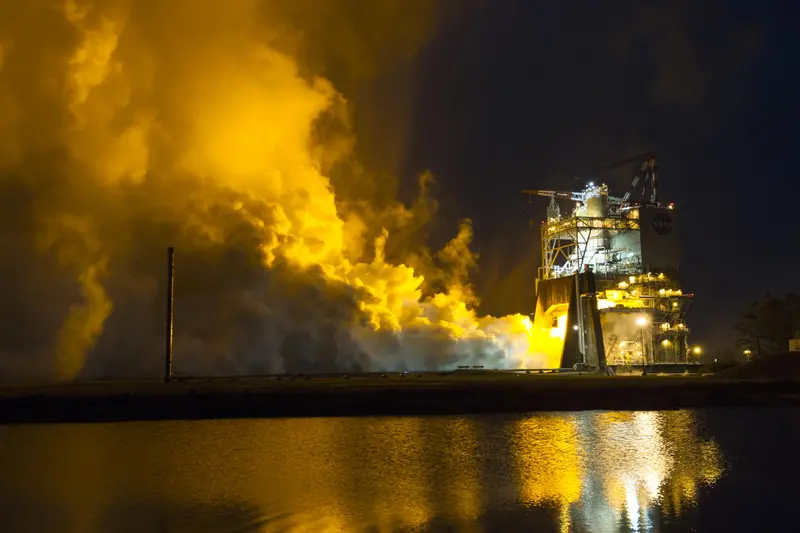 Subject · 5 lessonsRocket propulsionHow a nozzle turns heat into speed, how liquid, solid and electric engines work, and how propellants are chosen.Nozzle · Liquid · Solid · Electric · Propellants
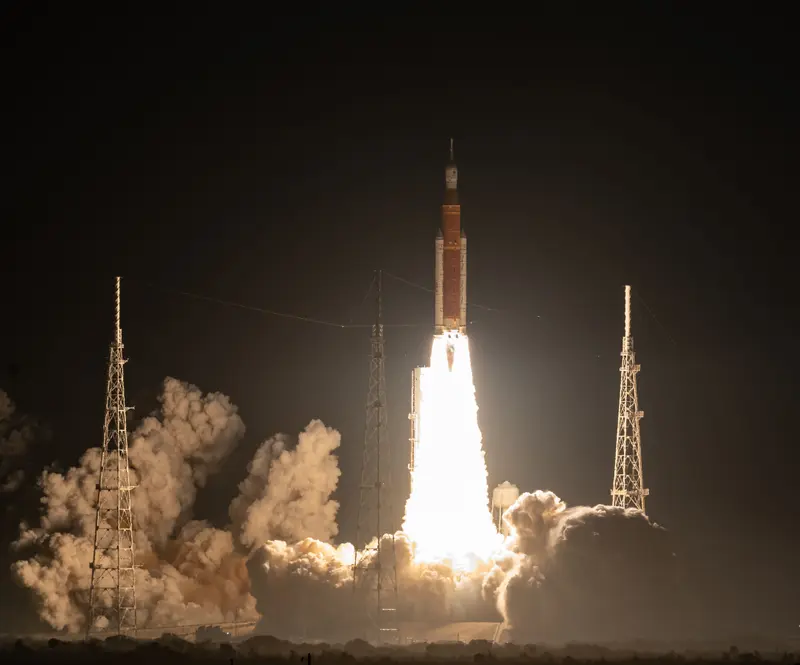 Subject · 5 lessonsLaunch vehicle designHow many stages and how big, how the ascent is flown, what loads the rocket must take, how it is reused, and where and when to launch.Staging · Ascent · Max-Q · Reuse · Windows
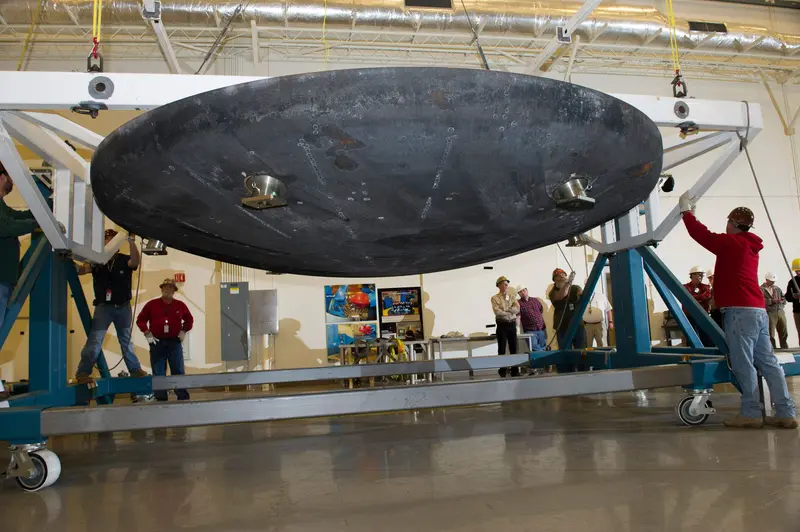 Subject · 5 lessonsAtmospheric entryHow spacecraft come home: entry trajectories, the heat they generate, the shields that survive it and the descent down to land or water.Dynamics · Heating · Ablators · Reusable · LandingSubject · 5 lessonsAttitude control and navigationHow a spacecraft knows where it points and where it is, and how it turns and aims precisely: quaternions, sensors, reaction wheels and control laws.Attitude · Sensors · Actuators · Navigation · Control