Engineering · Subject
Launch vehicle design
How many stages and how big, how the ascent is flown, what loads the rocket must take, how it is reused, and where and when to launch.
The lessons
5 lessons
- 01
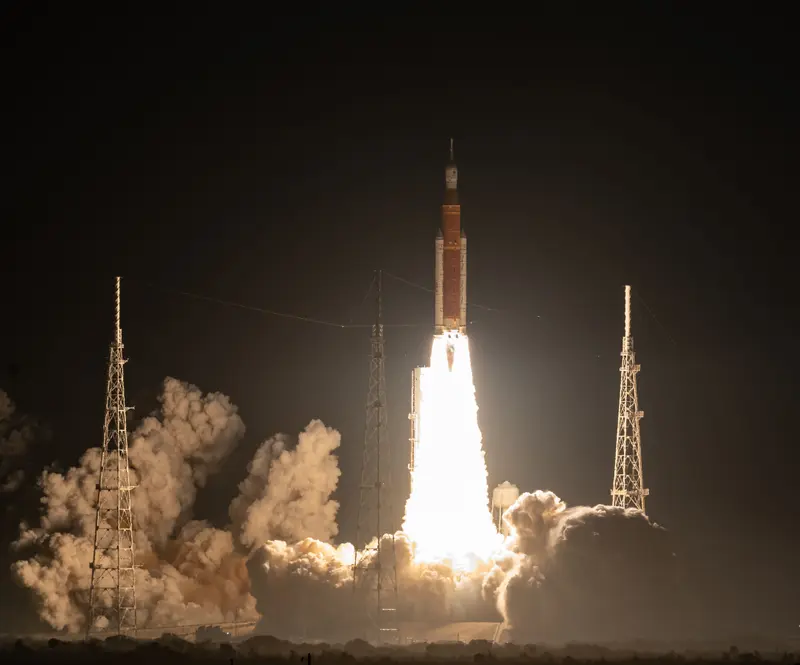
Rocket Staging Optimization: How Many Stages and How Big?
Why a rocket is split into stages, how the delta-v is shared among them to carry the most payload, and why real launchers depart from the optimum.
15 min read
 02
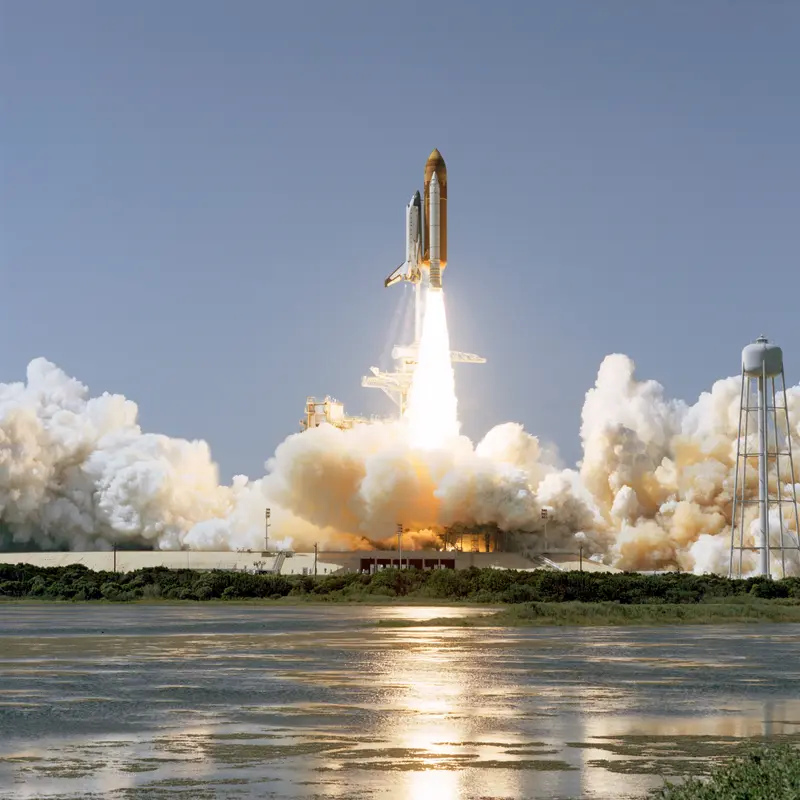
Rocket Ascent Trajectory: Gravity Turn, Gravity and Drag Losses, and Guidance
How a rocket is flown from the pad to orbit: the equations that govern it, where the delta-v is lost and how its flight computer guides it.
14 min read
- 03
Max Q and Launch Vehicle Structural Loads: Dynamic Pressure, Bending and Buckling
Why there is a moment of maximum dynamic pressure, what loads a rocket's structure carries and how its tanks are sized so they do not buckle.
15 min read
 04
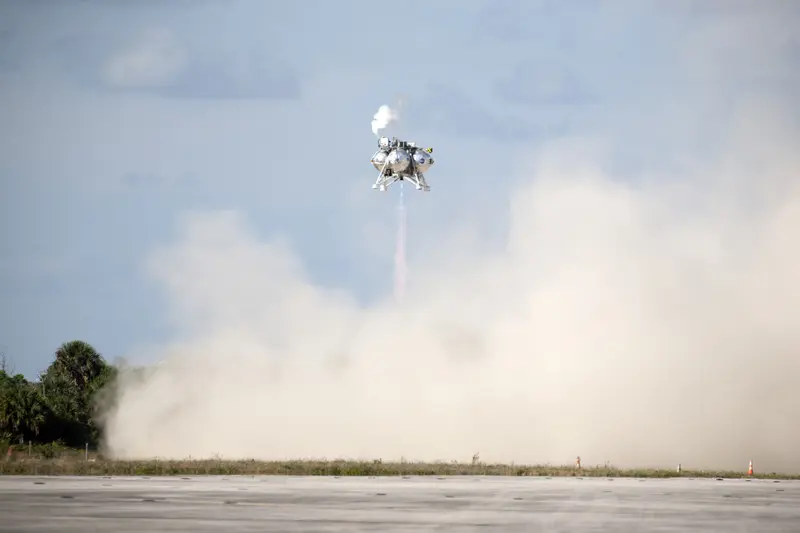
Reusable Rockets and Propulsive Landing: Physics, Guidance and Economics
What recovering a stage costs in payload, how a rocket is braked and set down on its engines, and when reuse pays off.
12 min read
 05
Launch Sites and Launch Windows: Latitude, Azimuth and the Exact Launch Time
Where it pays to launch from, why each mission can only leave at certain times, and how that time and its delta-v cost are calculated.
14 min read
The basics, on the path
The expert-level topics this subject builds on.
How a rocket works
From conservation of momentum to the rocket equation, real propellants, engine cycles and why staging is needed.
Getting to orbit
How the ascent delta-v is spent, why rockets climb and then turn, and how 30 MJ per kilogram is shed on the way back.
Other subjects
 Subject · 5 lessonsOrbital mechanicsKepler, orbital elements and the manoeuvres used to change orbit, travel between planets and dock one spacecraft with another.Kepler · Elements · Hohmann · Plane change · Docking
 Subject · 5 lessonsRocket propulsionHow a nozzle turns heat into speed, how liquid, solid and electric engines work, and how propellants are chosen.Nozzle · Liquid · Solid · Electric · Propellants
 Subject · 5 lessonsAtmospheric entryHow spacecraft come home: entry trajectories, the heat they generate, the shields that survive it and the descent down to land or water.Dynamics · Heating · Ablators · Reusable · Landing
 Subject · 5 lessonsAttitude control and navigationHow a spacecraft knows where it points and where it is, and how it turns and aims precisely: quaternions, sensors, reaction wheels and control laws.Attitude · Sensors · Actuators · Navigation · Control
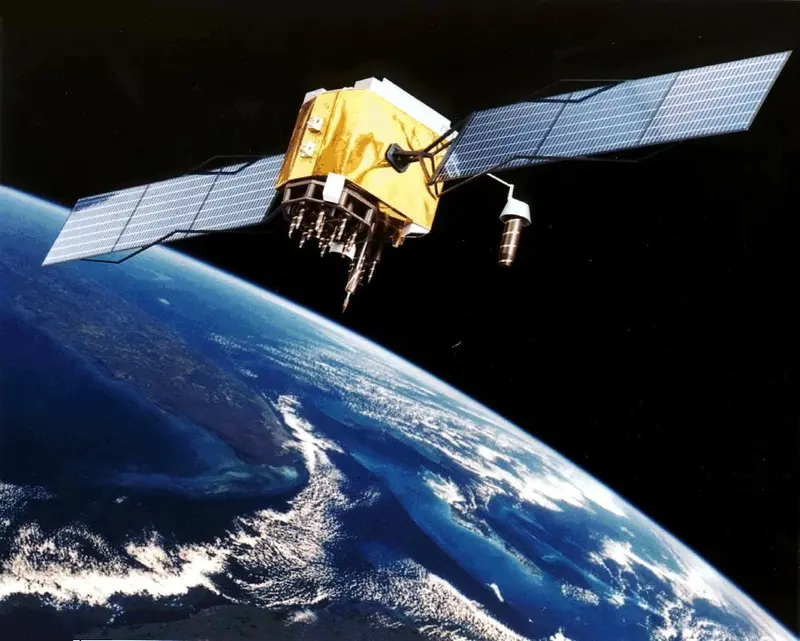 Subject · 5 lessonsSpacecraft systemsWhat keeps a spacecraft alive: power, thermal control, communications, the environment that attacks it and the systems engineering that ties it all together.Power · Thermal · Link · Environment · Systems