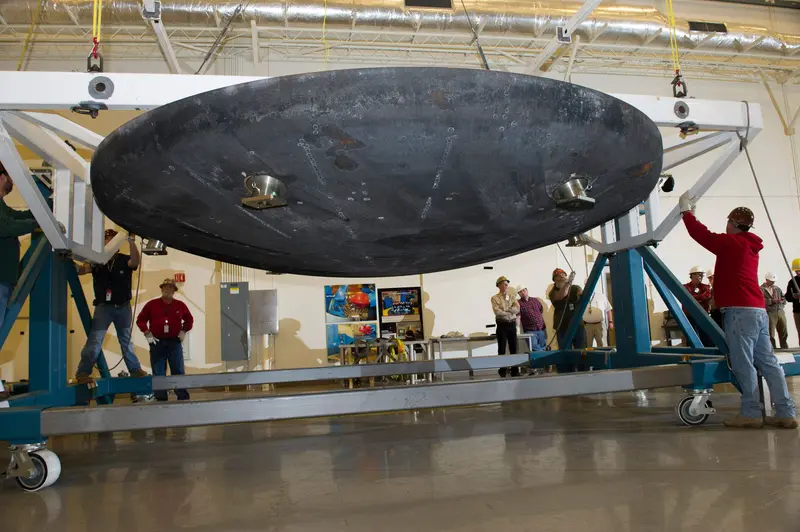
Engineering · Subject
Atmospheric entry
How spacecraft come home: entry trajectories, the heat they generate, the shields that survive it and the descent down to land or water.
The lessons
5 lessons
 01
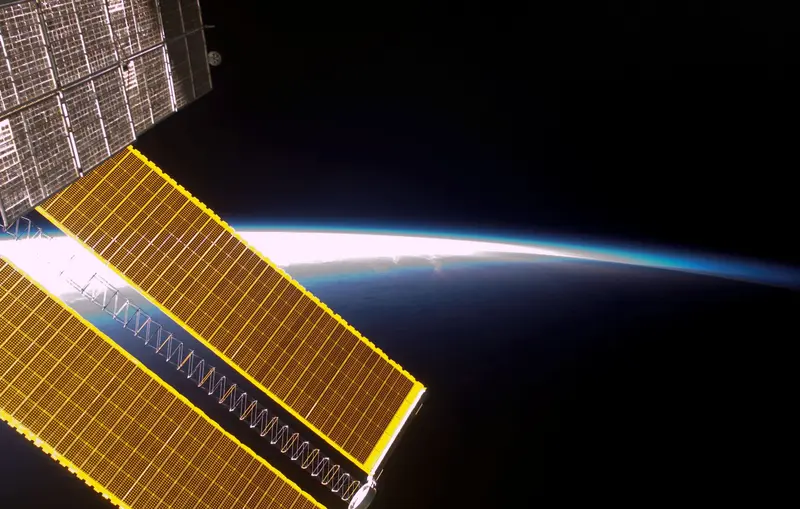
Atmospheric Entry Dynamics: Equations of Motion, Ballistic Coefficient, Entry Corridor and Lifting Entry
The equations that govern the return from space, and why a capsule with a little lift goes from 35 g to 4 g.
16 min read
- 02
Aerodynamic Heating During Atmospheric Entry: Fay-Riddell, Sutton-Graves and Radiative Heating
Where the heat of an atmospheric entry comes from, how it is computed at the stagnation point, and why nose radius is the great trade-off.
14 min read
- 03
Ablative Heat Shields: Pyrolysis, Recession and the Design of Avcoat, PICA and Carbon Phenolic
How a material that gradually burns away protects a spacecraft at 11 km/s, and how to work out how much of it is needed.
13 min read
 04
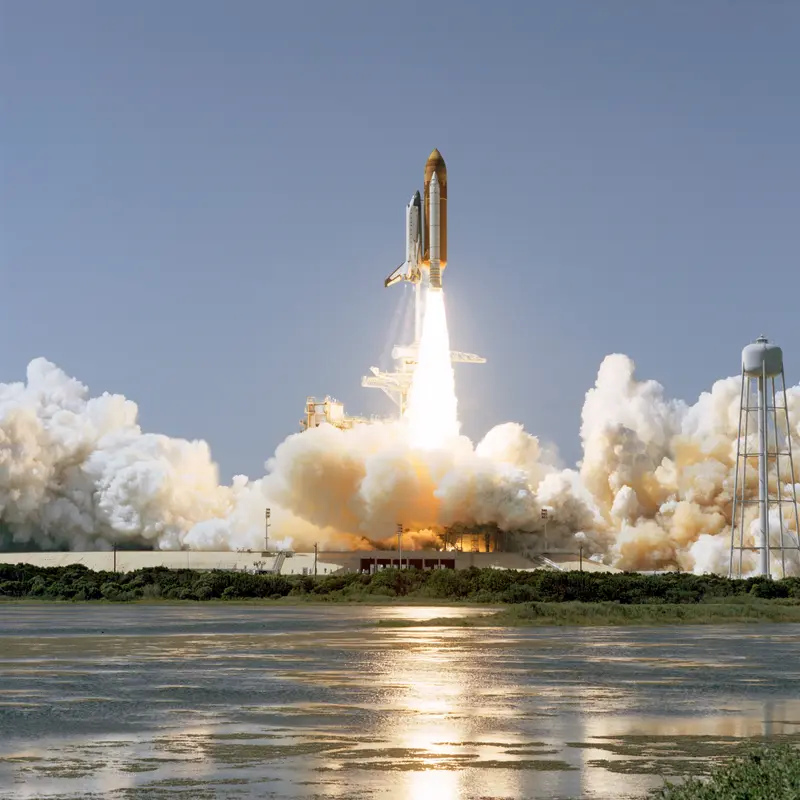
Reusable Thermal Protection Systems: Ceramic Tiles, Carbon-Carbon and Hot Structures
How to come back from space without using up the heat shield: surfaces that reradiate heat at over 1,000 °C on top of an insulator made almost entirely of air.
12 min read
 05
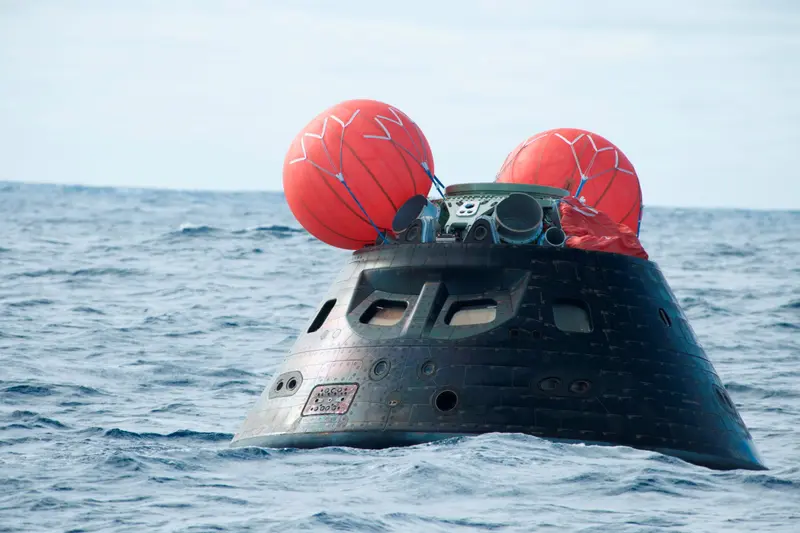
Parachutes, Descent and Landing: From Mach 2 to Touchdown or Splashdown (Orion, Soyuz, Perseverance)
How to go from several hundred meters per second to touching the ground at under 10 m/s: parachutes, retrorockets, airbags and cranes.
14 min read
The basics, on the path
The expert-level topics this subject builds on.
Getting to orbit
How the ascent delta-v is spent, why rockets climb and then turn, and how 30 MJ per kilogram is shed on the way back.
Materials for space
Which materials are used and why, from aluminum-lithium to ablative heat shields, and the science of metastable materials that store energy in their disorder.
Going to the Moon
The mechanics of going to the Moon and back, leg by leg, with the delta-v of each maneuver and the challenges still open.
Other subjects
 Subject · 5 lessonsOrbital mechanicsKepler, orbital elements and the manoeuvres used to change orbit, travel between planets and dock one spacecraft with another.Kepler · Elements · Hohmann · Plane change · Docking
 Subject · 5 lessonsRocket propulsionHow a nozzle turns heat into speed, how liquid, solid and electric engines work, and how propellants are chosen.Nozzle · Liquid · Solid · Electric · Propellants
 Subject · 5 lessonsLaunch vehicle designHow many stages and how big, how the ascent is flown, what loads the rocket must take, how it is reused, and where and when to launch.Staging · Ascent · Max-Q · Reuse · Windows
 Subject · 5 lessonsAttitude control and navigationHow a spacecraft knows where it points and where it is, and how it turns and aims precisely: quaternions, sensors, reaction wheels and control laws.Attitude · Sensors · Actuators · Navigation · Control
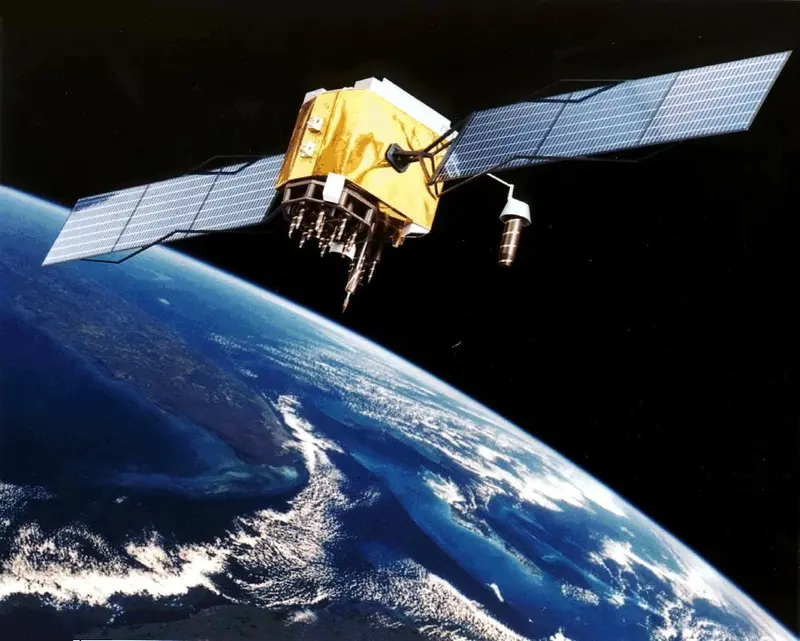 Subject · 5 lessonsSpacecraft systemsWhat keeps a spacecraft alive: power, thermal control, communications, the environment that attacks it and the systems engineering that ties it all together.Power · Thermal · Link · Environment · Systems